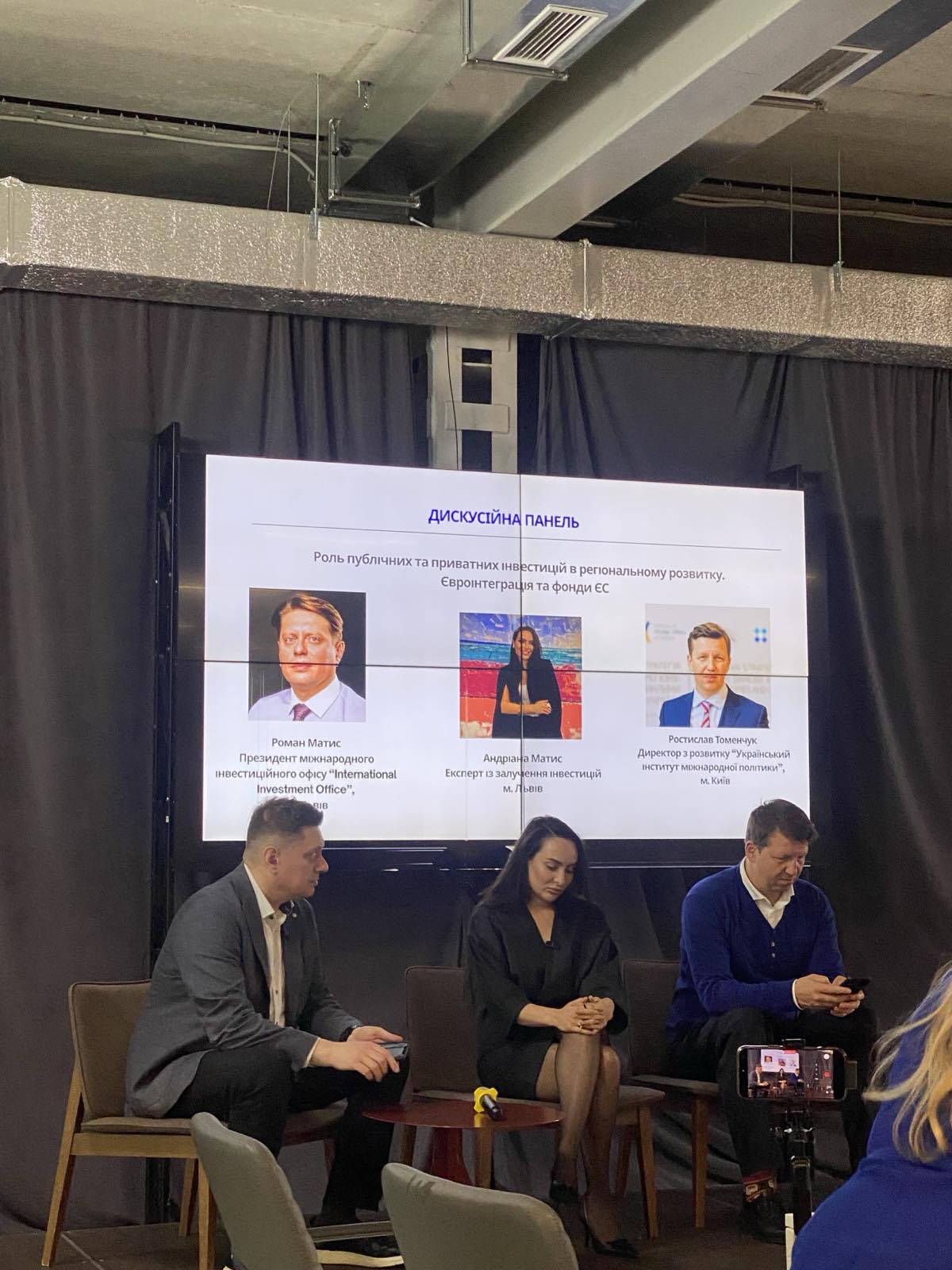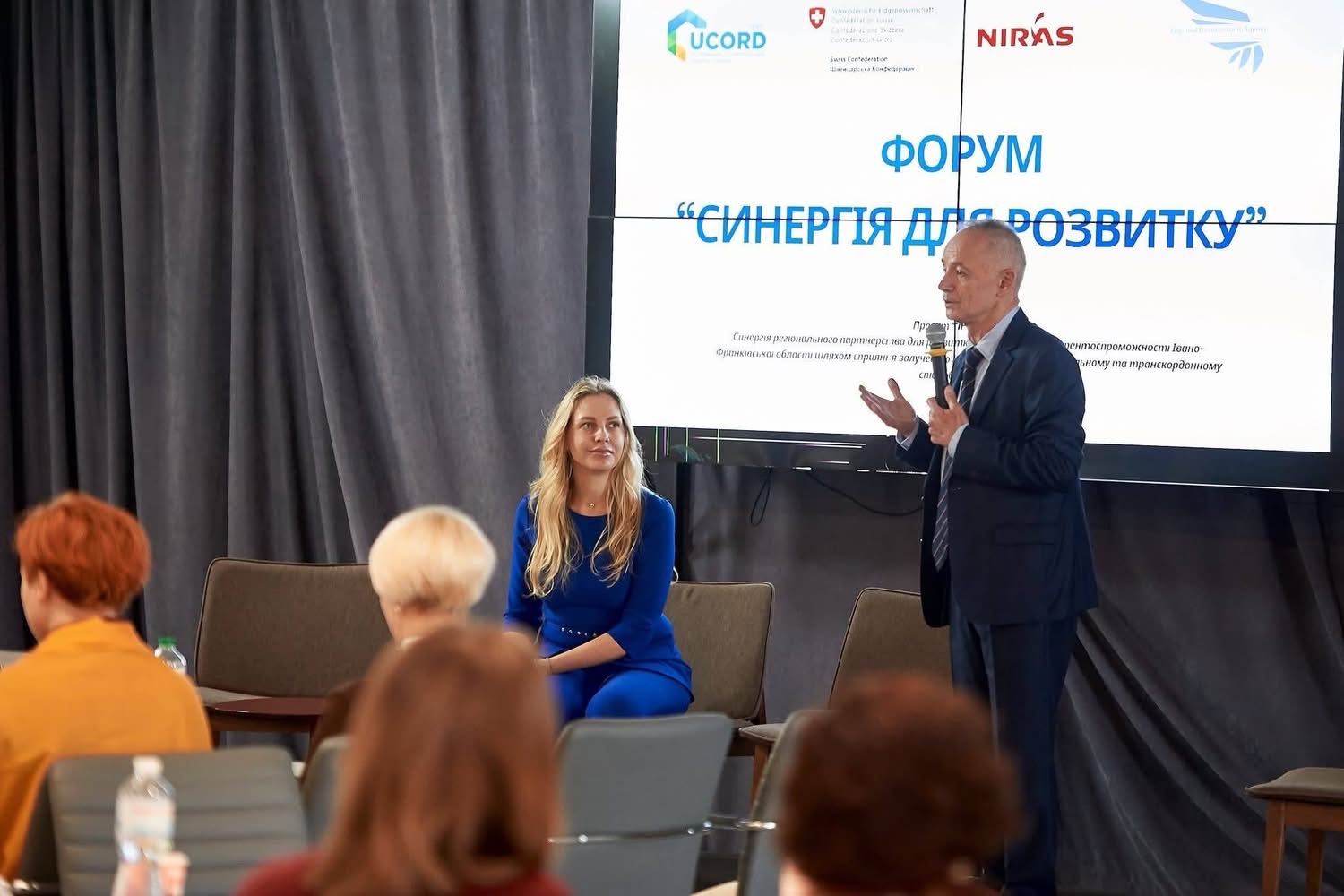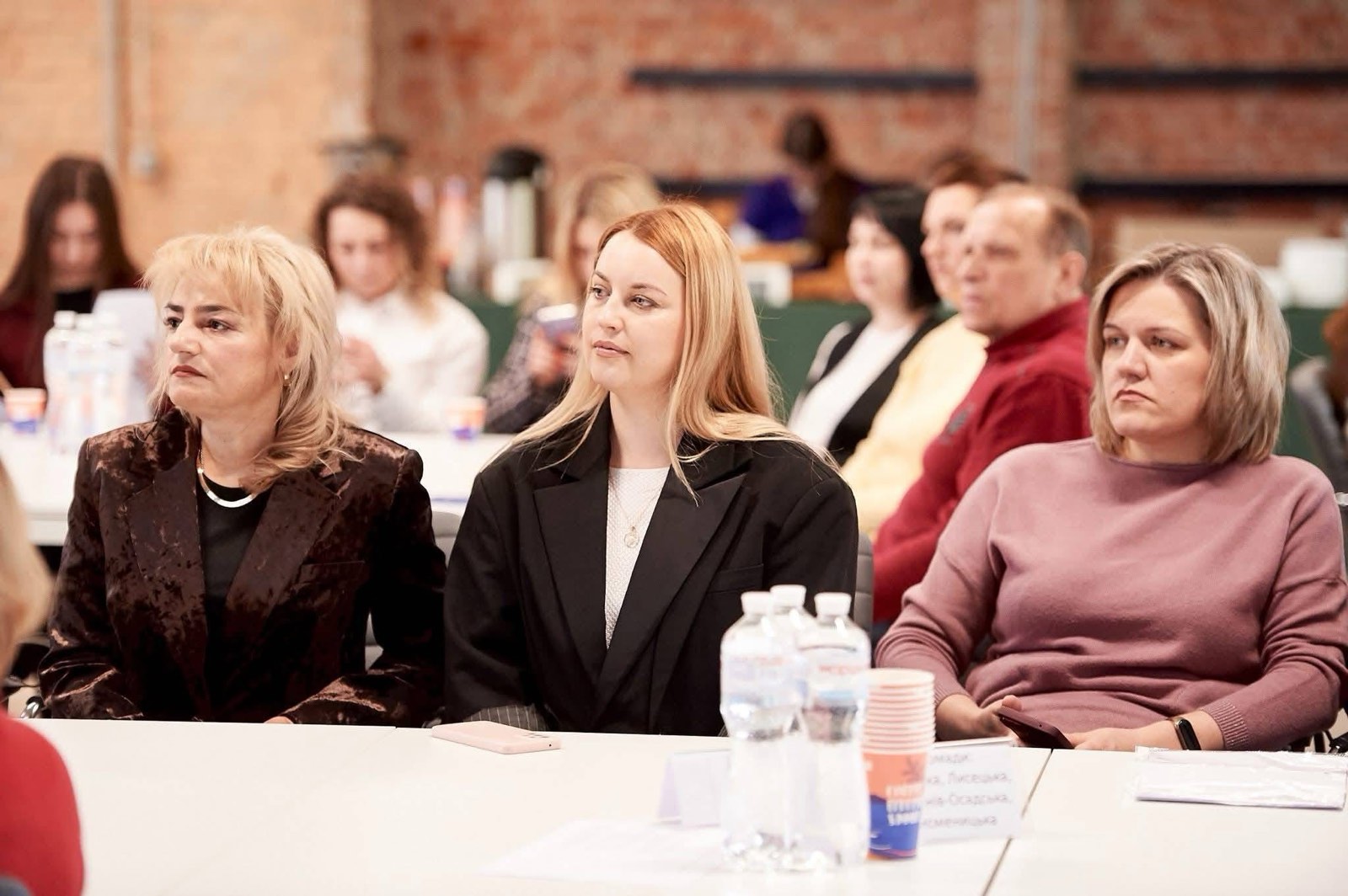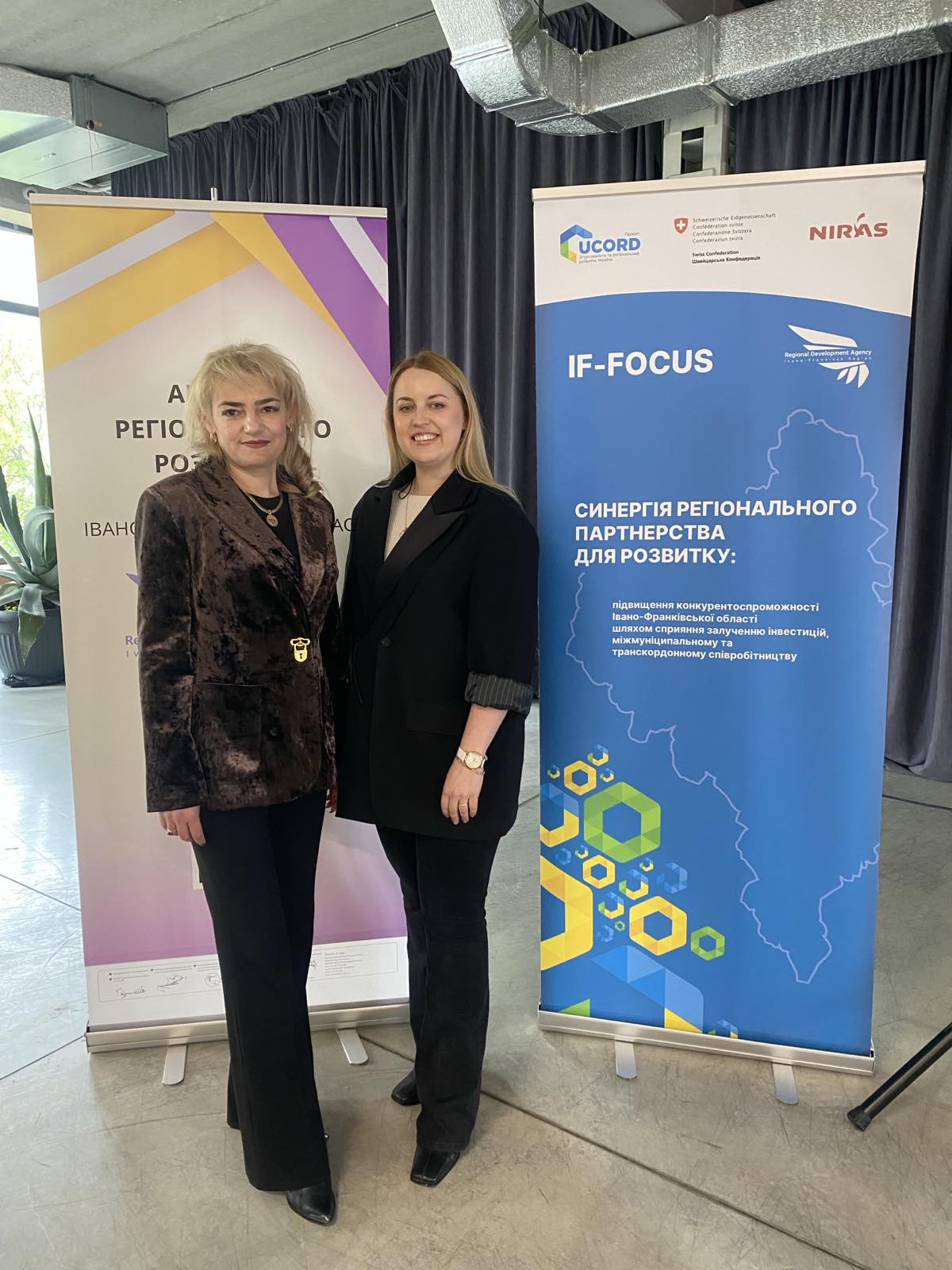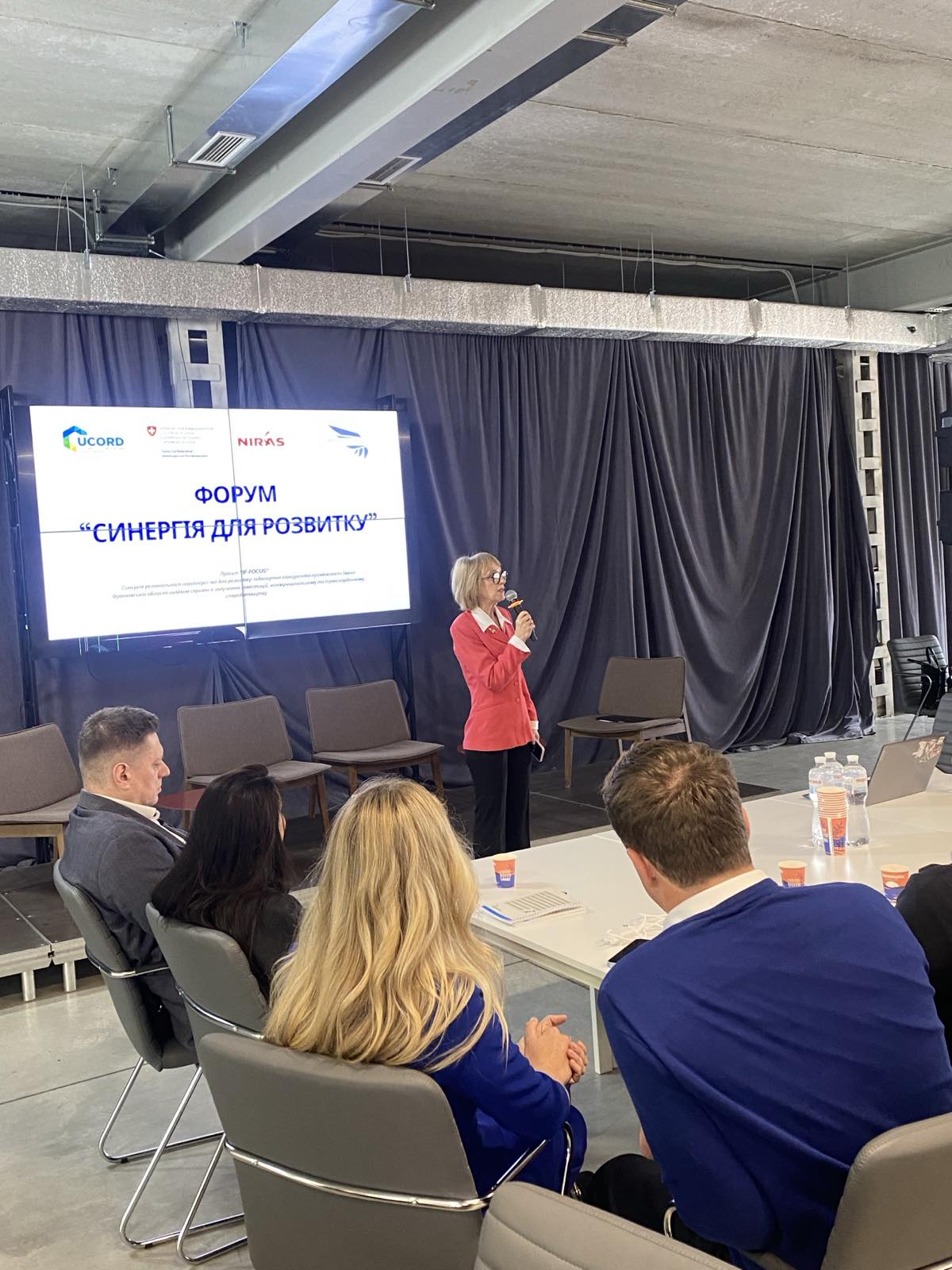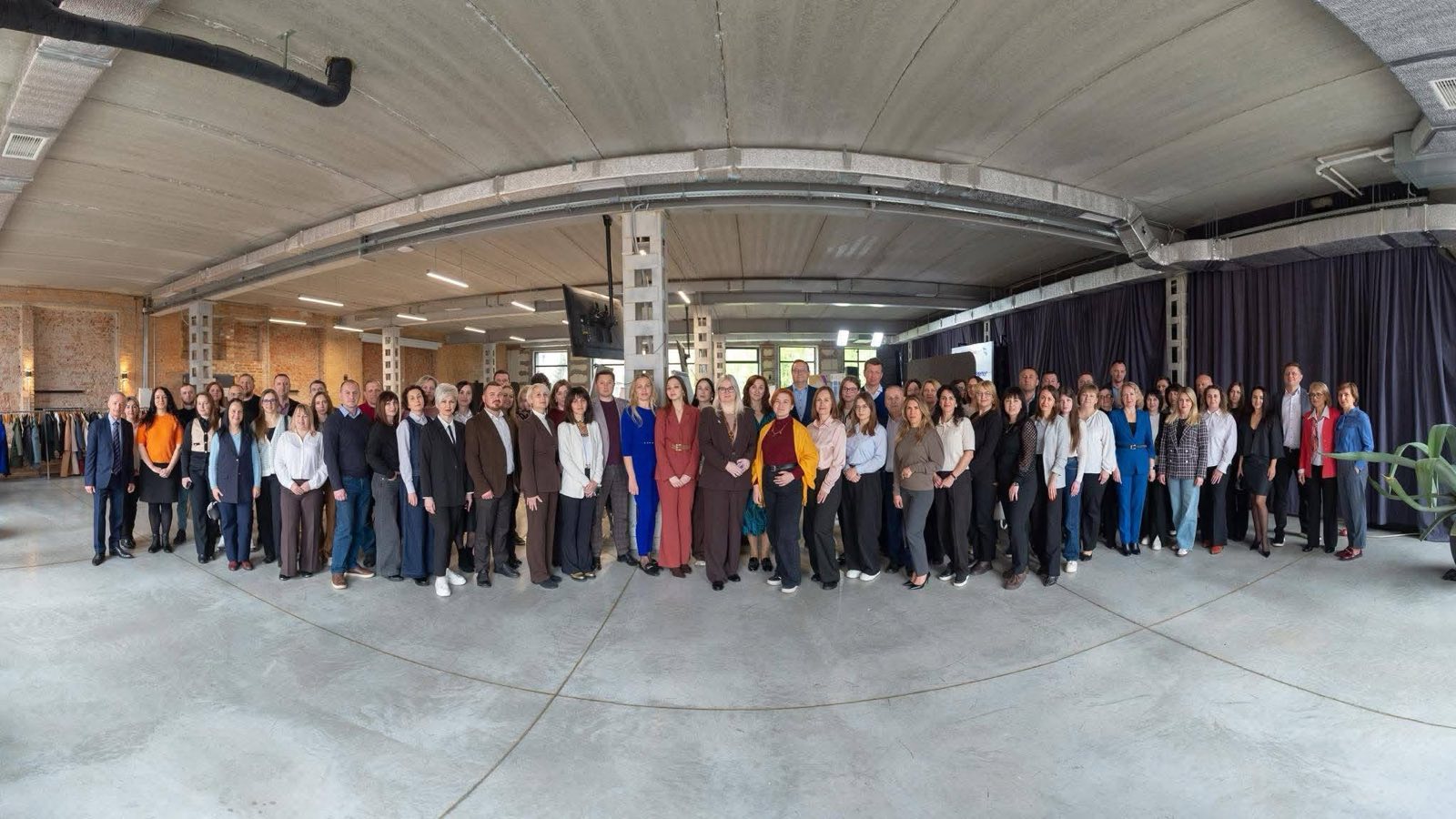
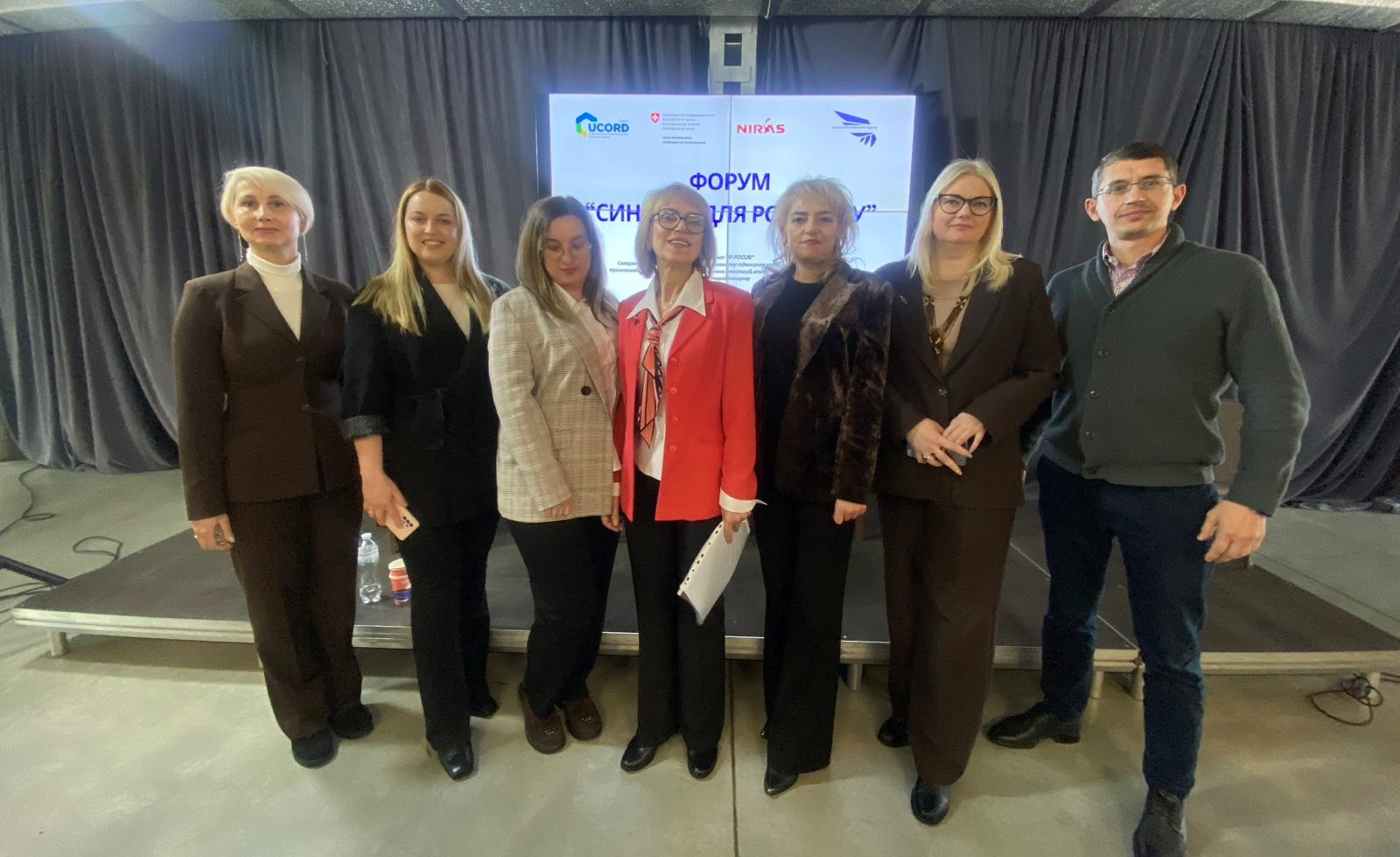
Ivano-Frankivsk has become the centre of a strategic dialogue about the future of our region. The “Synergy of Development” forum, organised by the Regional Development Agency of Precarpathia with the support of the Swiss-Ukrainian project UCORD, demonstrated the extremely high level of preparation and ambition of the territorial communities of Precarpathia.
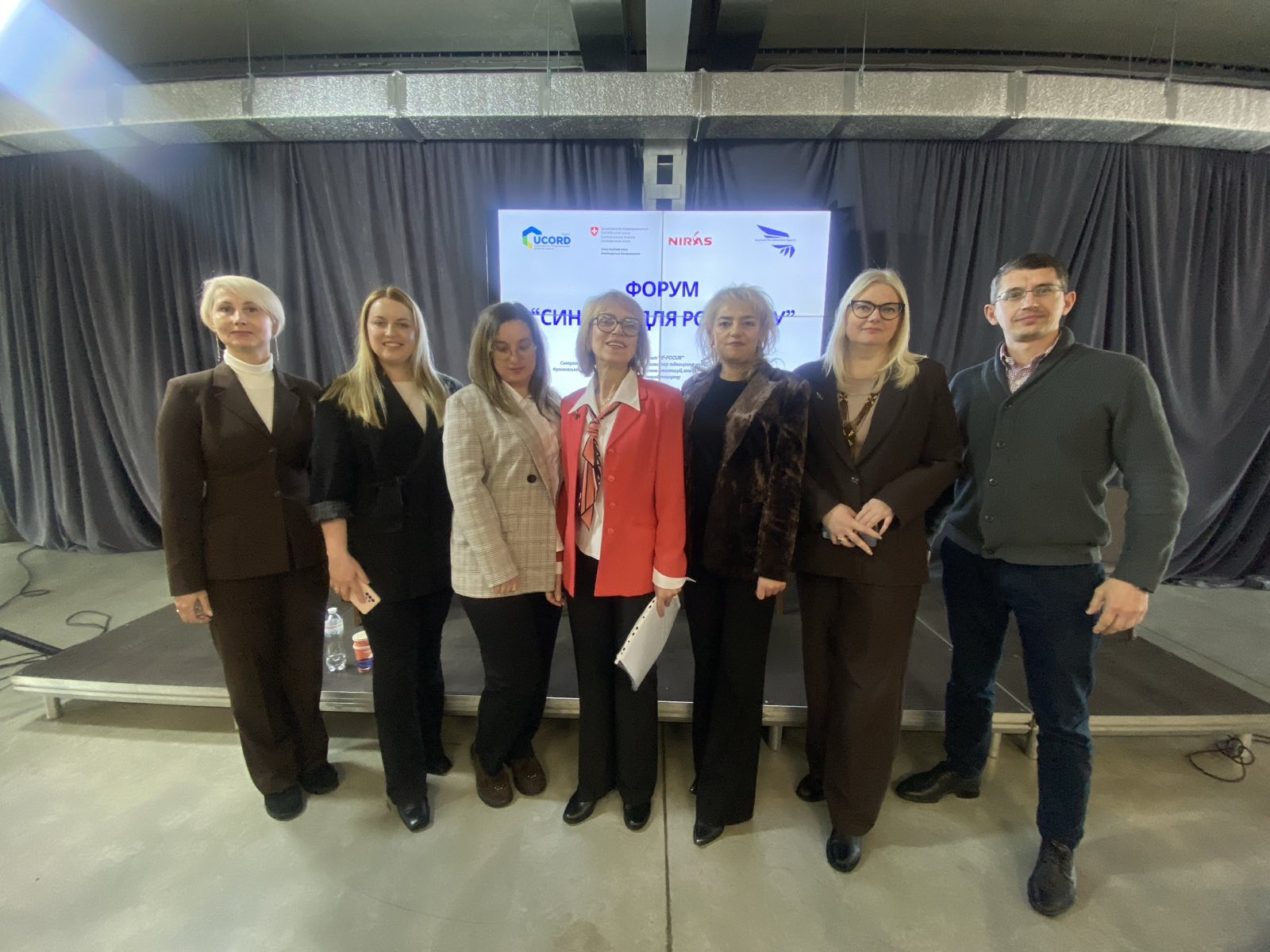
Representatives of VSCNU, in particular the Project and Educational Centre “Agents of Change”, the Department of Finance and other units, joined the expert advisory support of territorial communities of the region on the development and raising of funds for the implementation of public investment projects (PIP):
— Svitlana Kropelnytska — Director of the Centre “Agents of Change” of the KNUVD, Associate Professor of the Department of Finance, Chairman of the Board of the NGO “Agents of Change IF”;
— Roman Shchur — professor of the Department of Finance, expert of the Centre “Agents of Change” of the KNUVD and the Science Park “Carpathian University”;
— Olena Zvarych — Professor of the Department of Management and Marketing, Operations Director of “Diya.Business” in Ivano-Frankivsk;
— Liliya Mykhailyshyn — Head, Professor of the Department of International Economic Relations, expert of the NGO “Agents of Change IF”;
— Iryna Sernyak — Department of International Economic Relations;
— Anastasia Kohut is a leading specialist at the Centre “Agents of Change”, a graduate of the OP “Finance, Banking and Insurance”.
The Centre’s director, Svitlana Kropelnytska, and assistant, Anastasia Kohut, worked together with representatives of territorial communities on one of the most important topics — “Human Capital Development.”
The forum was the final stage of the Regional Future program, and the results of the communities’ work demonstrated a high level of strategic thinking among the participants. Thanks to the UCORD methodology and the World Café format, not only was a list of infrastructure projects presented, but also a deep understanding of ways to improve residents’ quality of life.
The communities of Precarpathia have demonstrated their readiness for a new type of thinking – a transition from building facilities to creating modern, accessible, and innovative services for people.
During the joint work, key vectors were identified in which the region’s communities demonstrate leadership: a progressive view of human development. Communities clearly realise that the region’s competitiveness depends on people.
The strongest project ideas today are modern rehabilitation centres, digital educational hubs, and inclusive sports spaces. The territorial communities of Prykarpattia are becoming an example of creating conditions in which every person feels supported and has development opportunities.
Willingness to unite for a common goal. Communities are highly open to intermunicipal cooperation.
Representatives of the TG understand that joining forces and creating joint services strengthens them as partners for the state and international investors. This is a mature approach that has a significant impact on the region’s development. Expertise and quality of project management. I think the presented initiatives are the result of thorough analytical work.
Communities form projects that meet modern requirements: have economic feasibility, social impact, and a long-term development strategy. This increases the investment attractiveness of territories and their readiness to attract funding through the PIP, SFRD, and international grant programs.
Social responsibility and inclusion. Projects aimed at supporting vulnerable groups and internally displaced persons attract particular attention. Social integration initiatives and the development of medical services demonstrate a high level of cohesion and mutual assistance as core values of community development.
Following the forum’s results, recommendations were formulated, and the most promising projects were prioritised, which could serve as “anchors” for the region’s development.
The participants came to a common conclusion: the key factors for increasing competitiveness are institutional capacity at the regional and local levels, as well as the quality of project preparation.
It is these factors that open up real opportunities to include local initiatives in investment plans and unified project portfolios, allowing the attraction of funding not only from local budgets but also state support and access to the resources of international organisations.
The event took place within the framework of the “Regional Future” program of the Swiss-Ukrainian UCORD project, which is implemented with Swiss support by NIRAS Sweden AB.