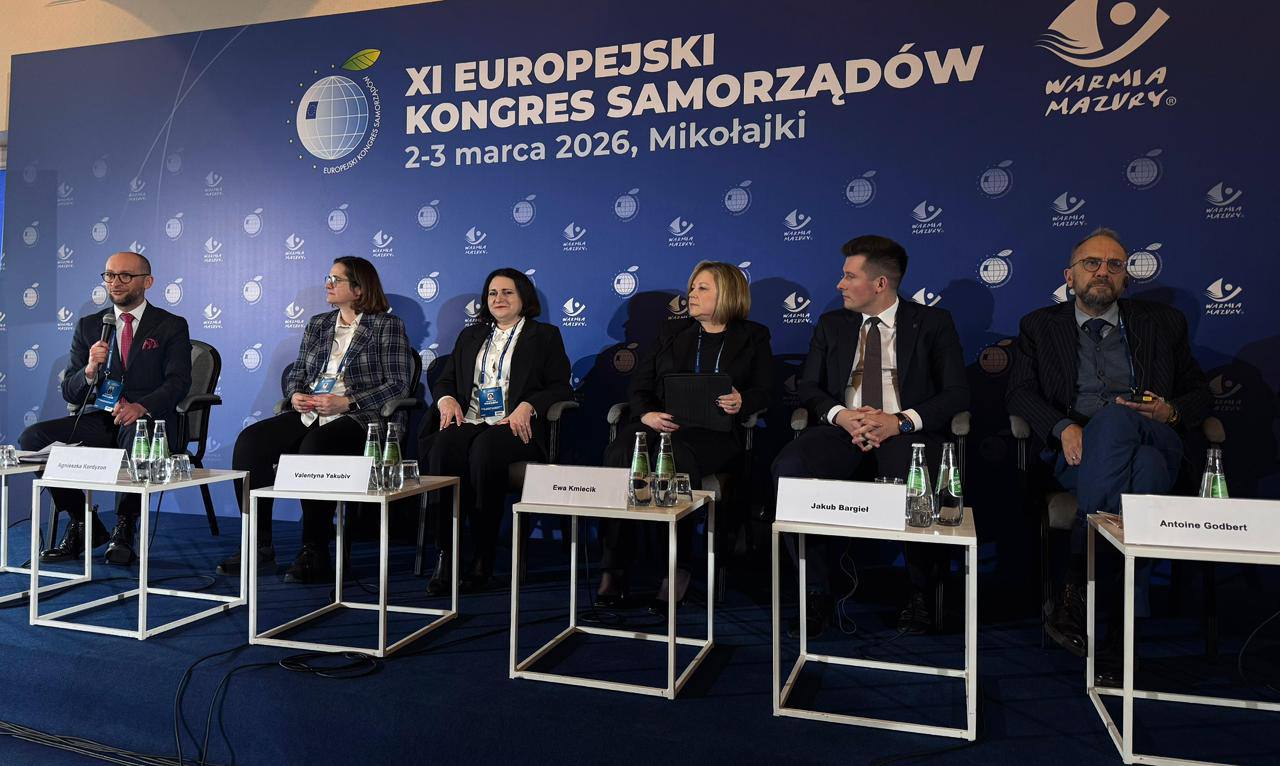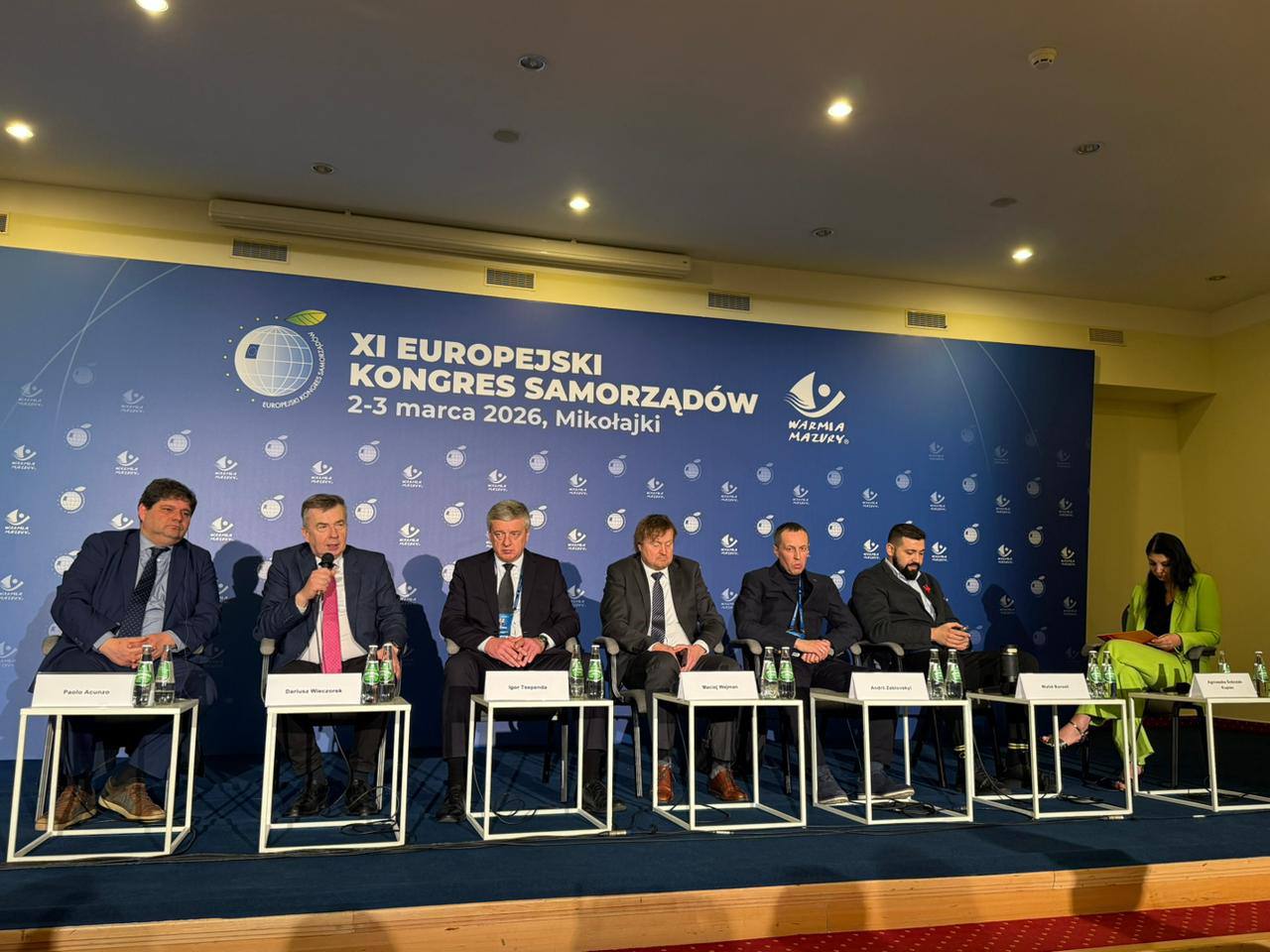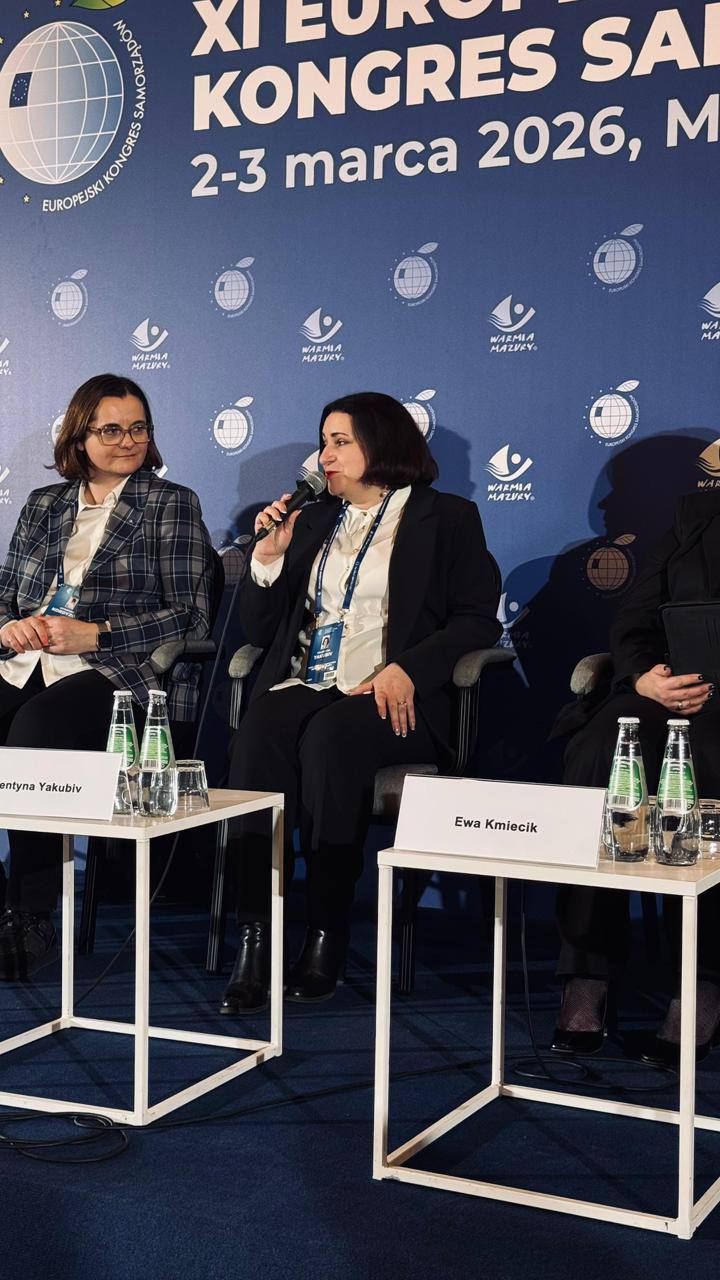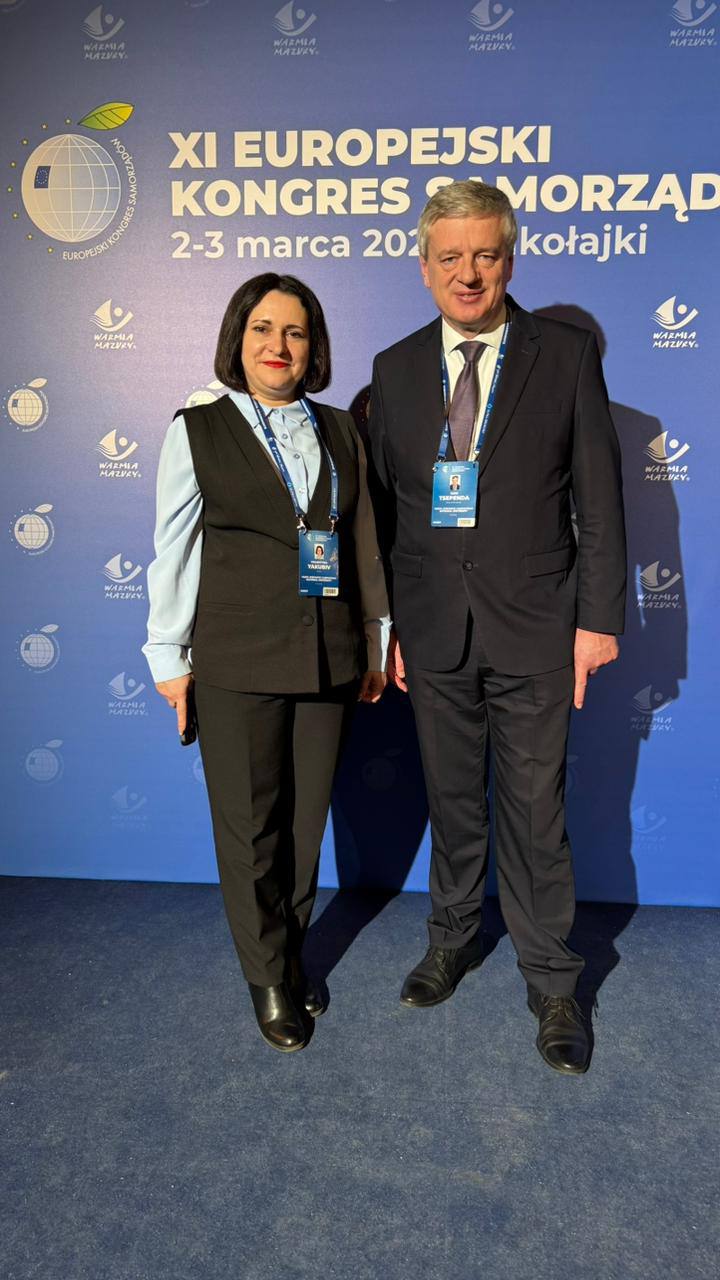
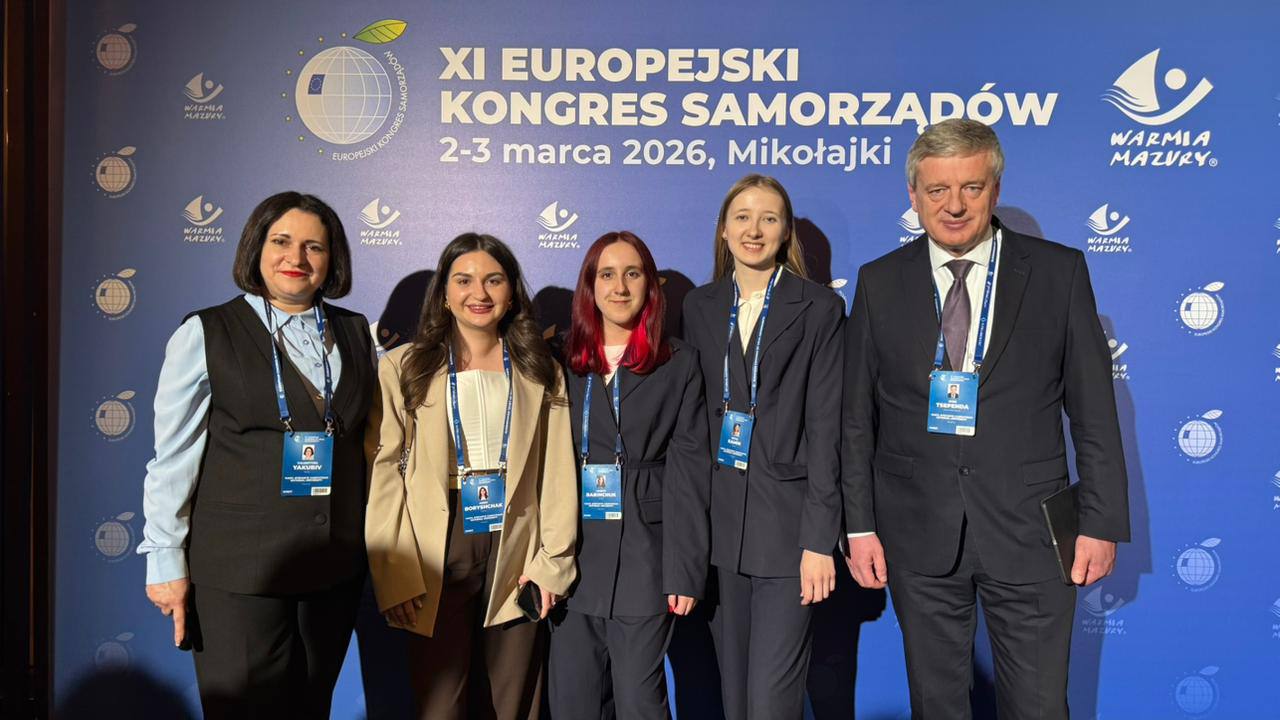
The rector of Vasyl Stefanyk Carpathian National University, Valentyna Yakubiv, the chairman of the Academic Council, Ihor Tsependa, and representatives of the international relations department participated in the 11th European Congress of Local Government, which took place in the city of Mikolajki (Republic of Poland).
The Congress is the largest international platform for discussing regional development and local governance issues in Poland. It brings together over 3,000 participants – representatives of state authorities, local governments, educational institutions, business and the expert community from different European countries.
It is incredibly pleasing that our students, who are fellows of the Institute of Oriental Studies Foundation, had such a unique opportunity to participate in the Congress!
As part of the Congress, the rector spoke as a panellist in a discussion on the topic: “Education system facing the challenges of the future – the role of state and regional authorities.”
During the speech, attention was focused on the key challenges that Ukrainian universities face today: demographic decline, youth outflow abroad, rapid technological changes, the need for digital transformation and integration of artificial intelligence into the educational process.
Special attention is paid to the functioning of universities during wartime and to their role in post-war reconstruction of the state.
The rector emphasised that the modern education system should be flexible, innovative, and focused on developing the competencies of the future, and that effective interaction between state and regional authorities and universities is the key to the sustainable development of human capital.
Ihor Tsependa, Chairman of the Academic Council of Vasyl Stefanyk Carpathian National University, took part in a panel discussion dedicated to the partnership model “Self-government – industry – science”. During his speech, he emphasised that modern regional development increasingly depends on effective interaction among local governments, businesses, and scientific and educational institutions. Such cooperation is not an additional opportunity, but a necessary condition for the formation of competitive territories.
“Our university is consistently implementing a model in which it acts as a co-architect of territorial development. In particular, the Science Park is being developed as an innovative platform for interaction with business, the International Scientific Centre “Observatory” in the Carpathians is being modernised together with Polish partners, and initiatives are being implemented to create an International Centre for Student Youth Meetings in the village of Mykulychyn – as a space for Ukrainian-Polish academic dialogue,” emphasised Professor Tsependa. In his opinion, the Carpathian region has significant potential to serve as a strategic partnership zone between Poland and Ukraine in the fields of science, education, and innovative development.
Participation in the Congress became a vital opportunity to present the experience of Ukrainian universities at the international level, strengthen partnerships, and exchange best European practices in education and public administration.