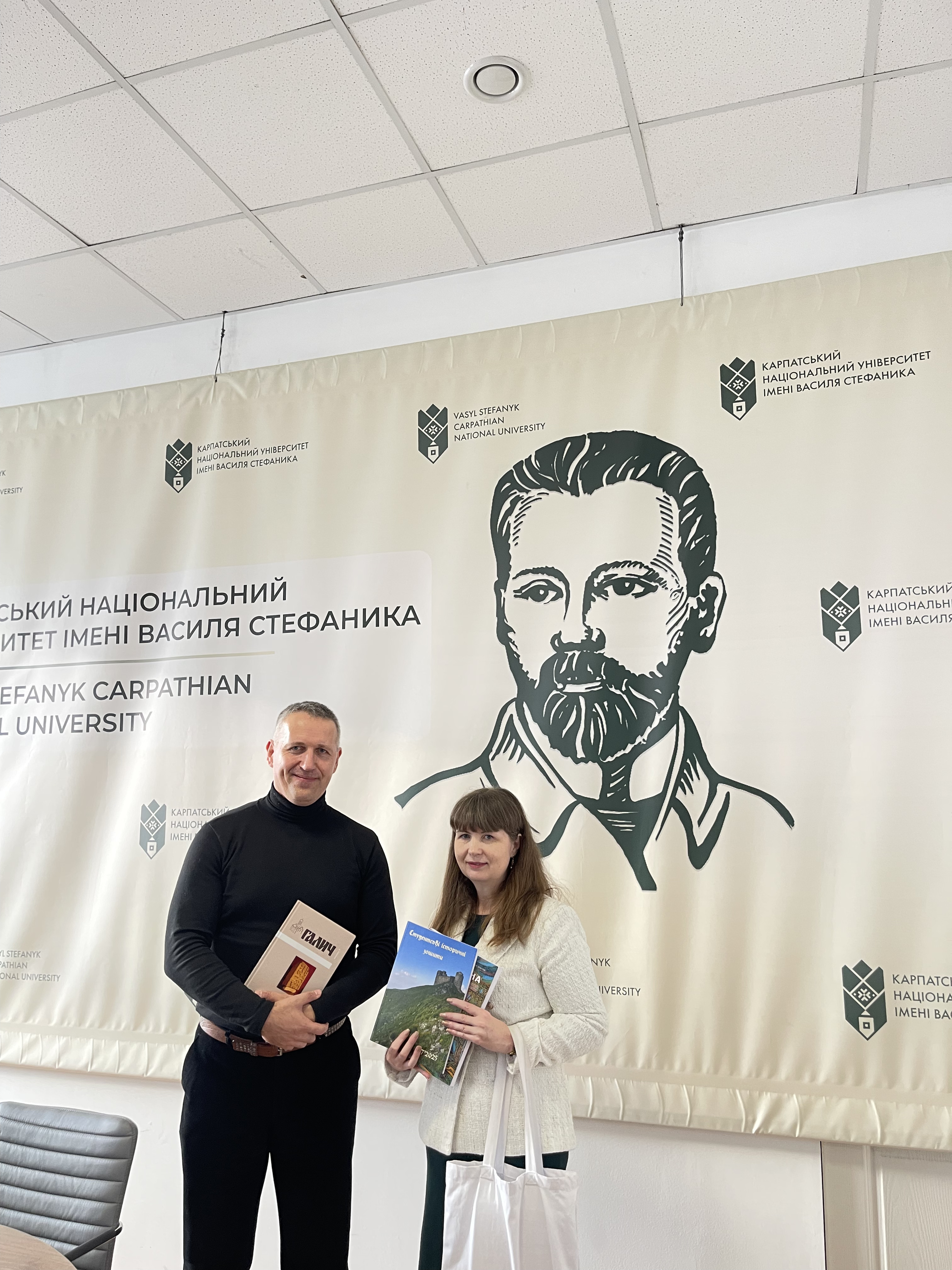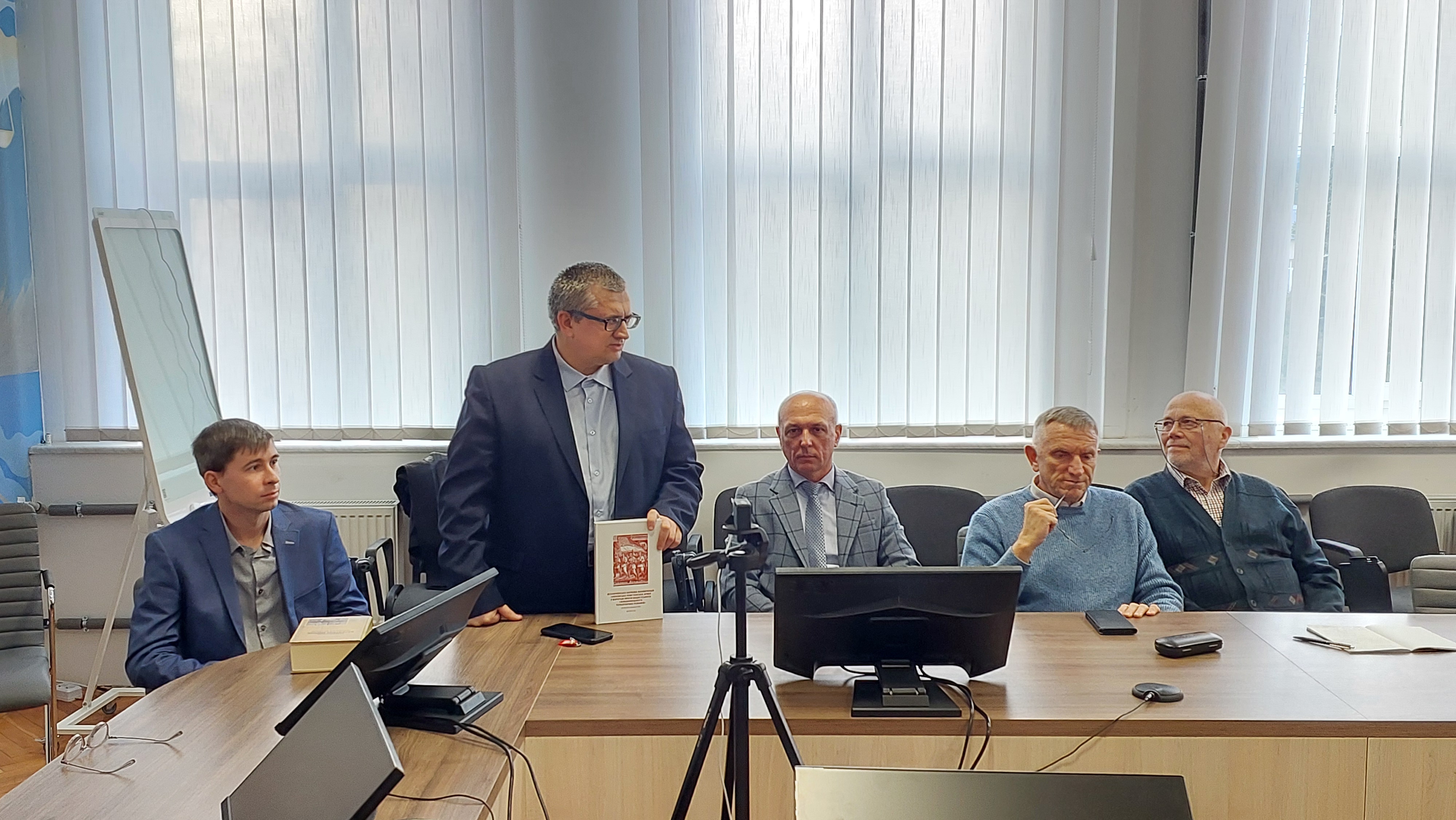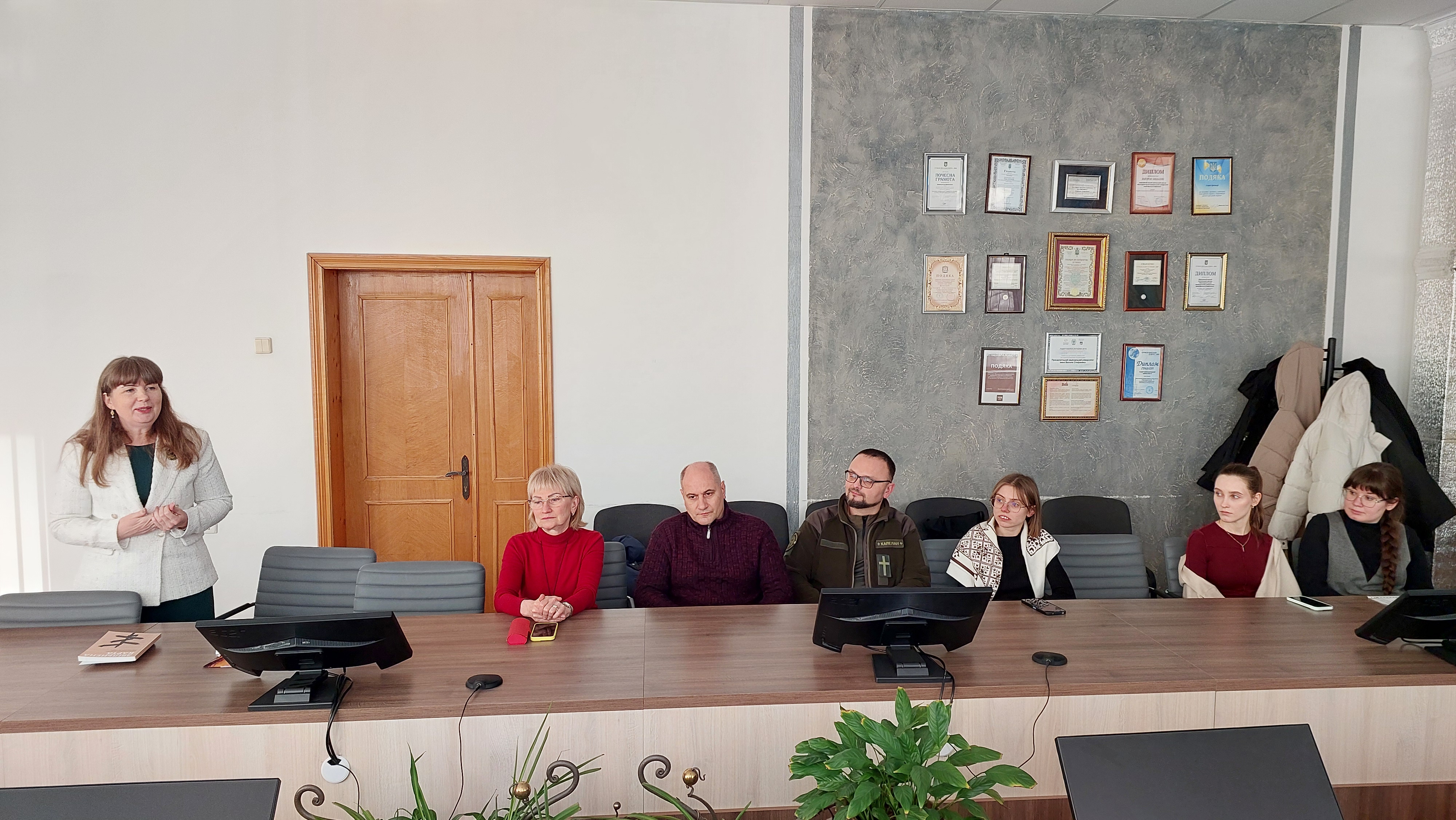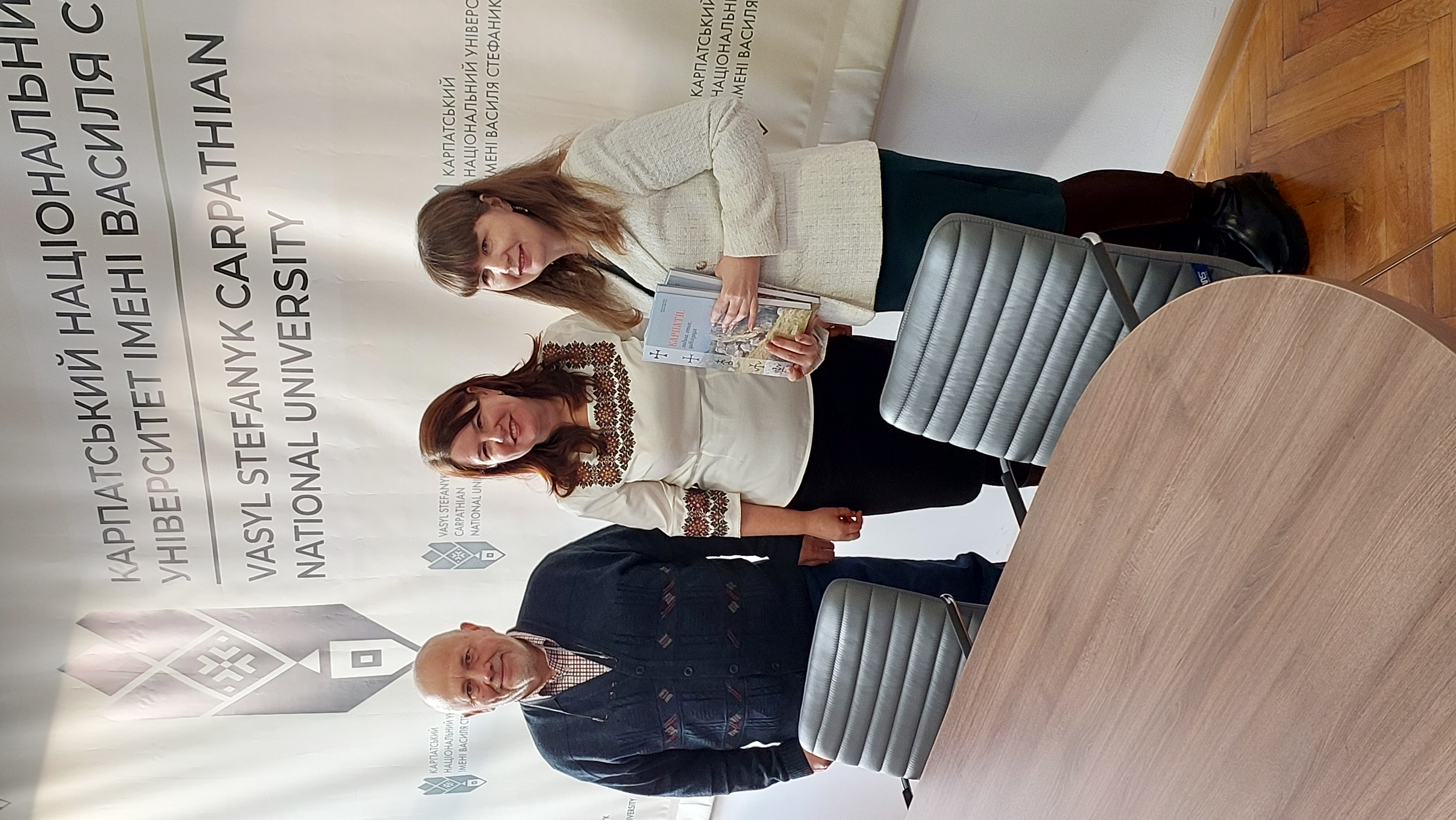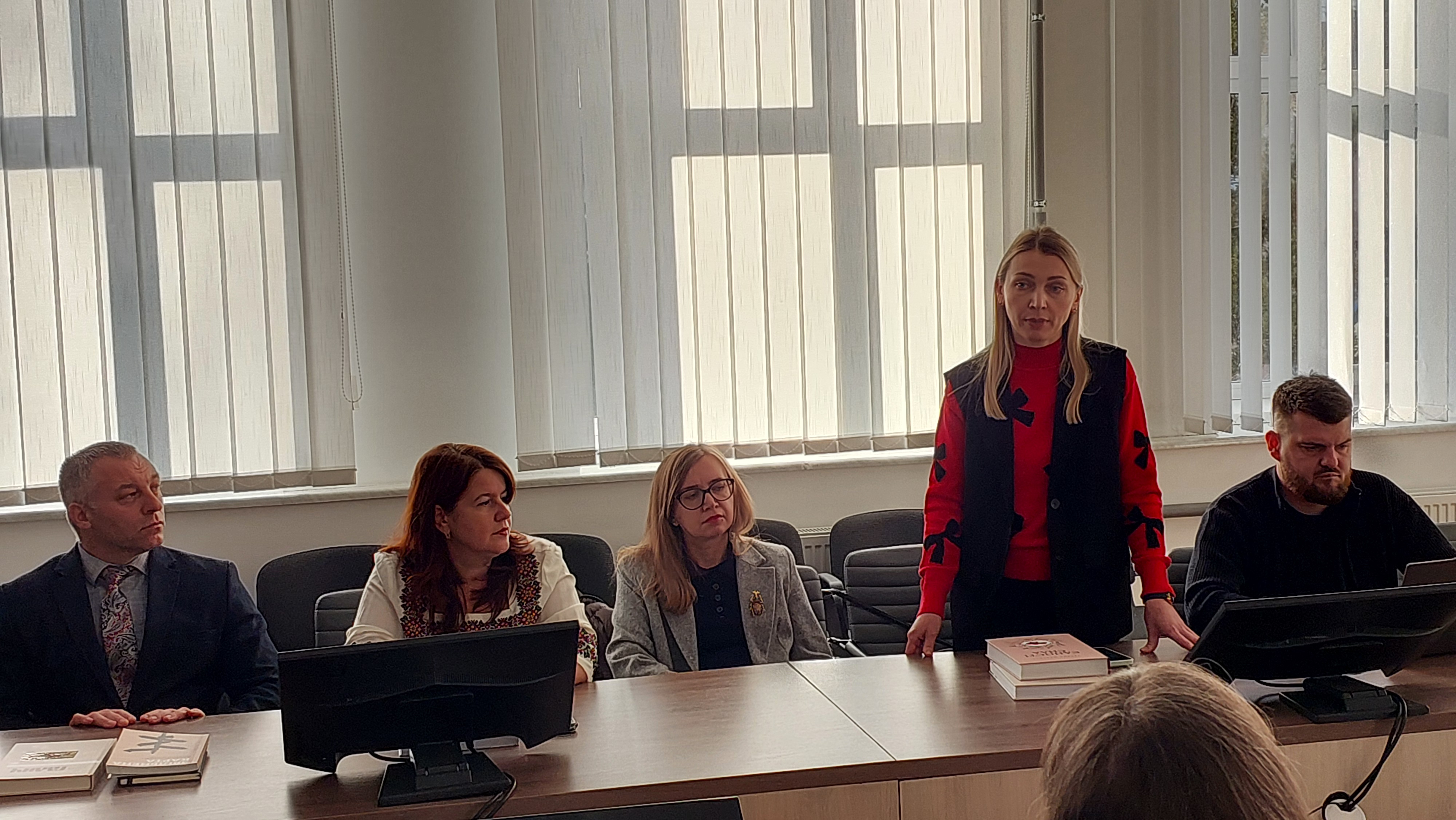
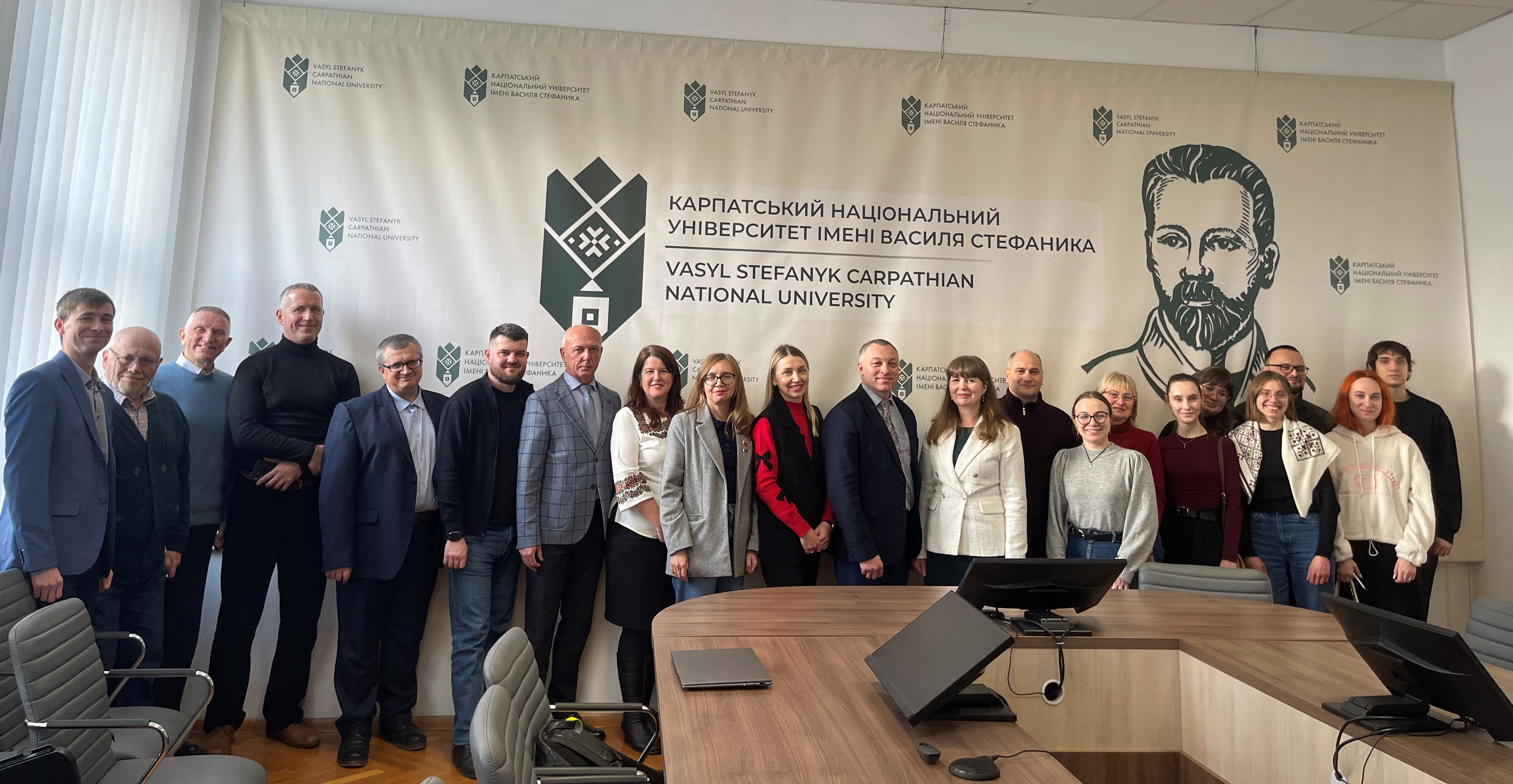
Another traditional meeting of the scientific and pedagogical staff of the Faculty of History, Political Science, and International Relations with colleagues from the Department of History at Kherson State University took place at Vasyl Stefanyk Carpathian National University. The event was held in a warm and meaningful atmosphere, becoming another testament to the unity of the academic community in the face of modern challenges.
The Dean of the Faculty of History, Political Science and International Relations, Ihor Hurak, addressed the participants with an introductory speech. In his remarks, he emphasised the importance of systematic inter-institutional cooperation, which contributes not only to strengthening academic ties but also to the development of a new quality of humanitarian education and scientific research in Ukraine.
During the meeting, Kherson scientists presented their own work. In particular, Nataliya Kuzovova, the head of the Department of History, Archaeology, and Teaching Methods at Kherson State University, presented the reference publication “Liberated Map”, which contains a list of street renamings within the framework of decommunization and derussification processes. The speaker emphasised that such publications are essential as an empirical basis for modern scientific research.
Teachers from the Faculty of History, Political Science, and International Relations at Vasyl Stefanyk Carpathian National University introduced their colleagues in Kherson to the key areas of their own scientific research. They shared scientific literature prepared at the faculty in recent years.
In the context of understanding national memory, two books by Associate Professor Tetyana Madryha of the Department of Political Science were presented: “The Power of Unity” and “Names That Live Forever.” These publications responded to a public demand for the affirmation of the values of unity, dignity, and honouring the heroes who are fighting for Ukraine’s future today.
Representatives of the Department of Ethnology and Archaeology – Associate Professor Oksana Drohobytska and Senior Lecturer Ihor Kochkin – presented the scientific journal “Carpathians: Ethnicity, Culture, Civilisation” and spoke about the Carpathian Ethnological Readings, which have been held since 2009. Ihor Kochkin also focused on the role of the Kherson region as an essential centre of archaeological research, where not only scientific excavations are carried out, but also protective archaeological work, which is of fundamental importance for the preservation of cultural heritage.
Professor Myroslav Voloshchuk of the Department of World History presented the scientific publication “Student Historical Notebooks”, which has been published since 2010, as well as the series of publications “Halych” and the collection of scientific works “Halychyna”, an authoritative platform for publishing thorough research on history.
Associate Professor of the Department of History of Central and Eastern Europe and Special Branches of Historical Science Mykola Vitenko introduced the participants to new publications dedicated to the topic of the national liberation struggle, in particular, the collection of materials of the All-Ukrainian Scientific Conference “The Ukrainian Insurgent Army in the Fight against the Nazi and Bolshevik Totalitarian Regimes” (to the 80th anniversary of the creation of the UPA).
An interesting intellectual highlight of the meeting was the presentation of Bohdan Paska’s book, Associate Professor of the Department of History of Ukraine and Methods of Teaching History, titled “The Trial of Valentin Moroz: Declassified Materials.” The publication, prepared based on archival documents from the Soviet era, offers new perspectives on understanding Valentin Moroz as a symbol of resistance to the totalitarian system.
At the end of the meeting, participants discussed the importance of scientific partnership between Carpathian and Kherson researchers, exchanged views on practical formats of cooperation, and outlined prospects for its further development. The need to support a lively scientific dialogue, expand joint research initiatives and deepen interregional academic interaction was emphasised.