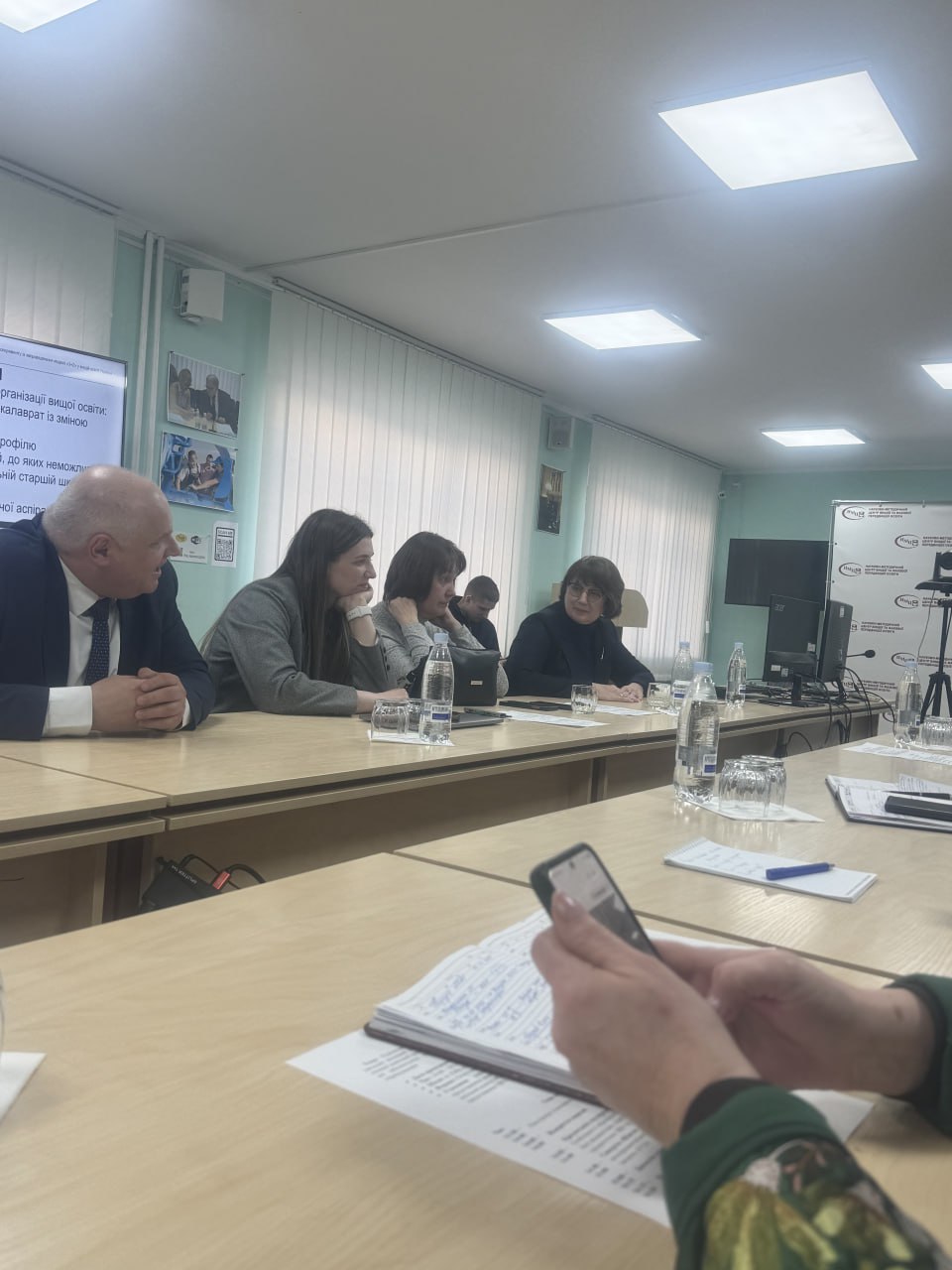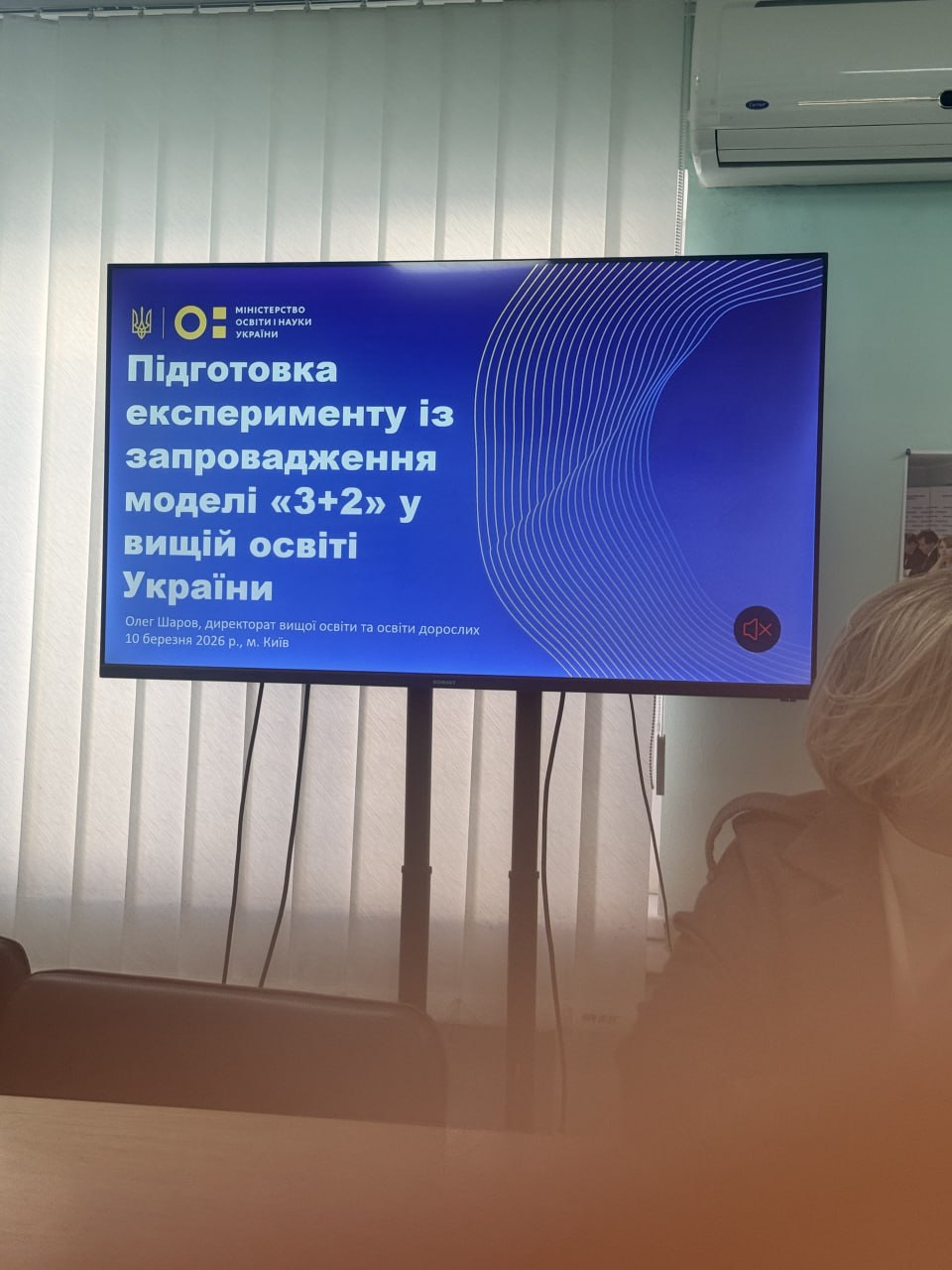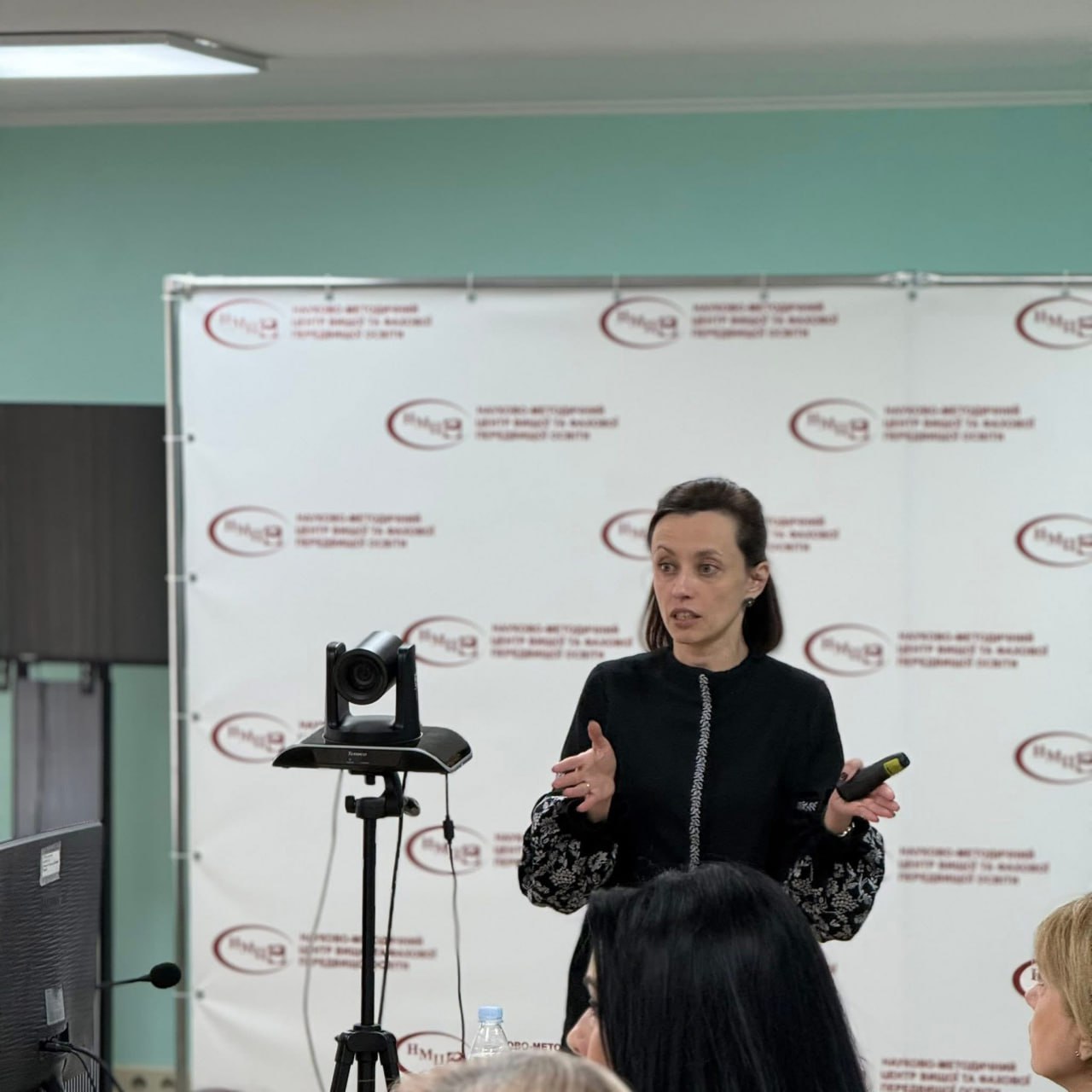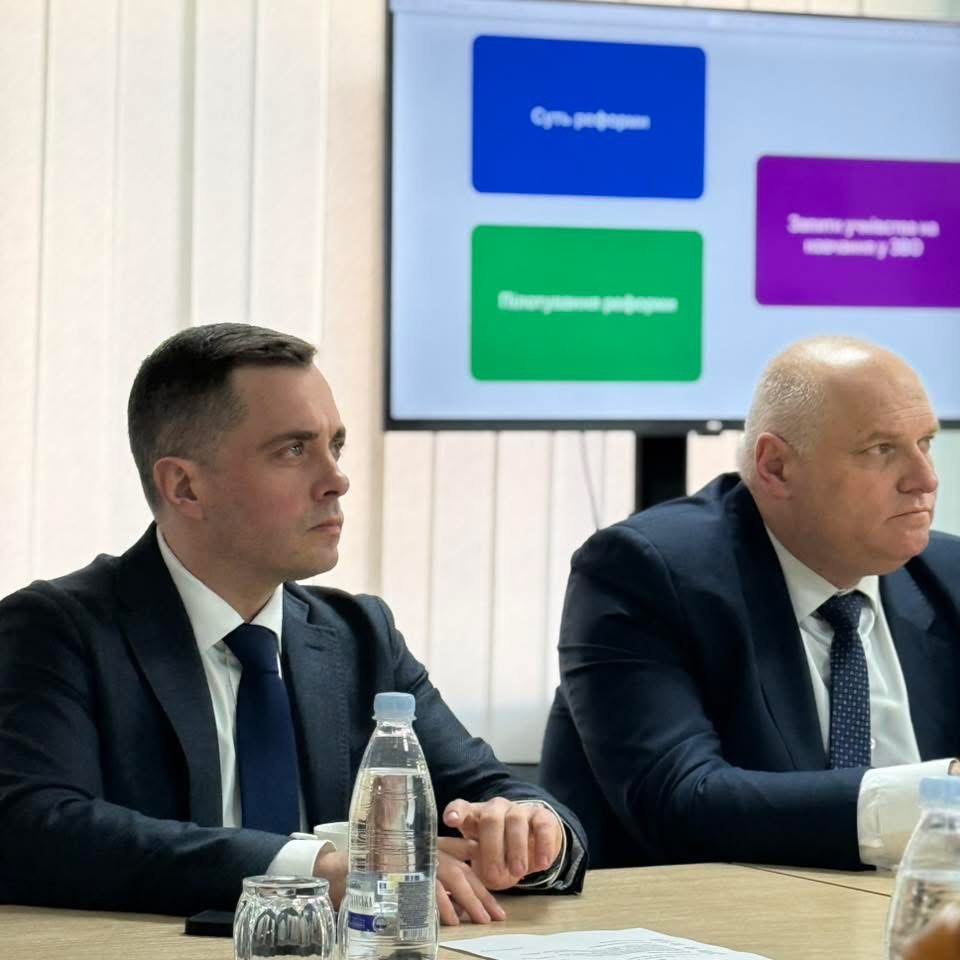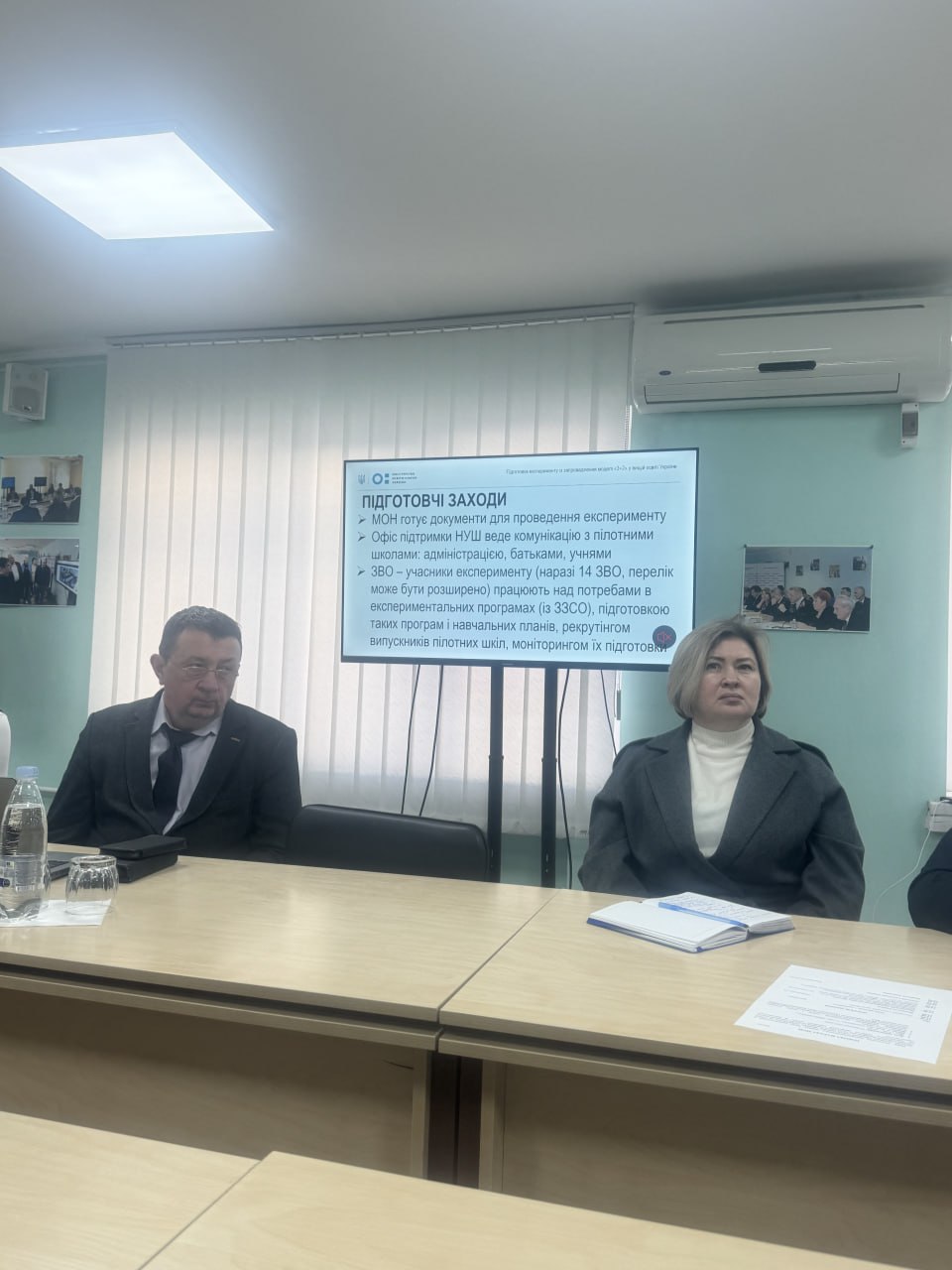
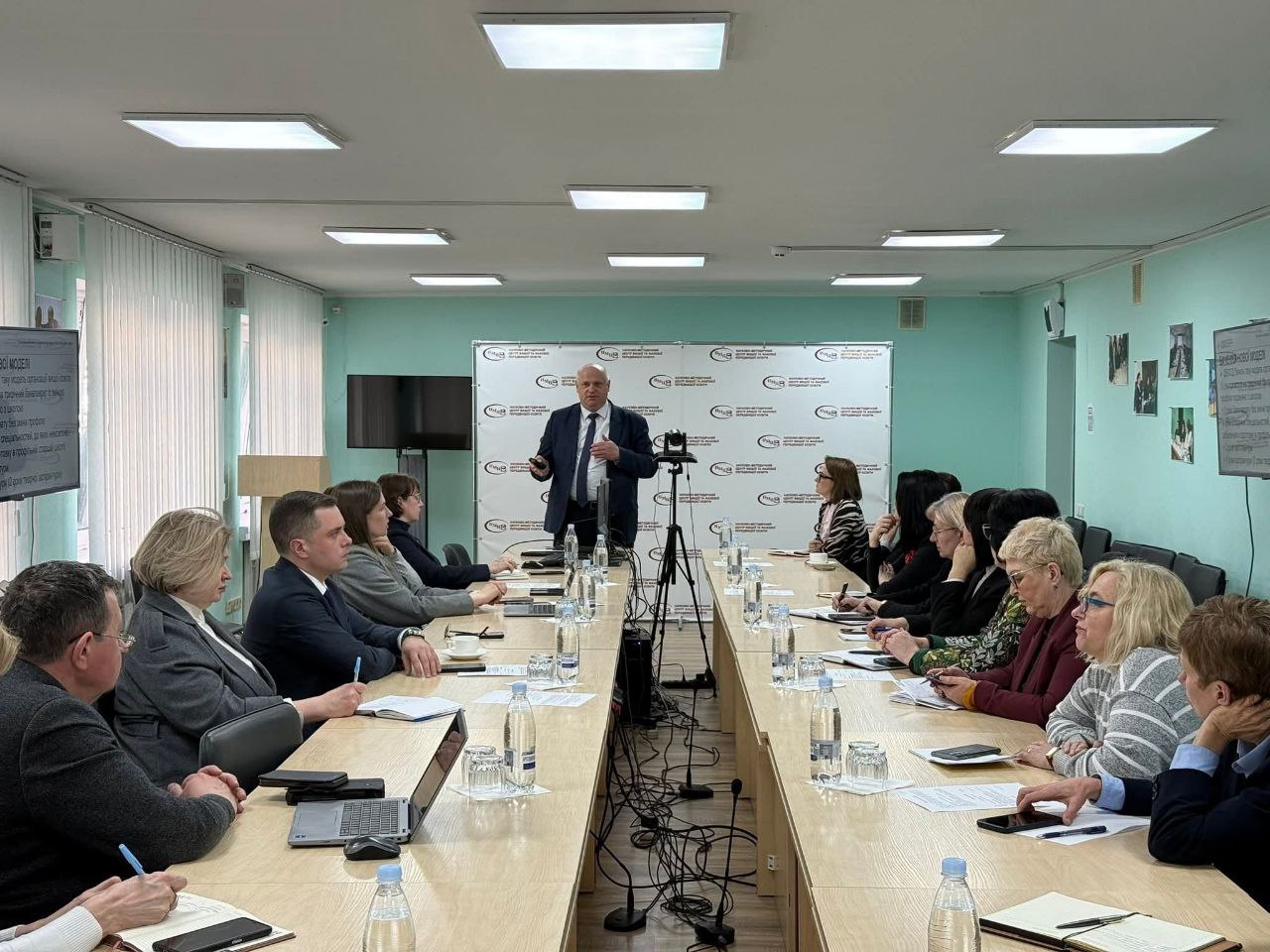
On March 10, a working meeting was held at the Ministry of Education and Science of Ukraine to prepare for the implementation of a three-year specialised high school and to organise the transition of its graduates to the higher education system.
The meeting was attended by Deputy Ministers of Education and Science of Ukraine, Mykola Trofymenko and Nadiya Kuzmychova, representatives of the Ministry of Education and Science of Ukraine, as well as delegations of 14 higher education institutions of Ukraine, including Vasyl Stefanyk Carpathian National University, which also began to participate in the pilot project.
The head of the Bohdan Stuparyk Department of Pedagogy and Educational Management, Professor Lyubov Prokopiv, represented the university.
During the meeting, preparations for the launch of a new high school model were discussed. In particular, it was noted that a full-fledged implementation of a three-year specialised high school is planned in Ukraine from 2027, with pilot enrollment of high school students beginning in 2026. These students will enter higher education institutions in 2029, so universities should prepare new conditions for their further education today.
The introduction of a 12-year school will complete the reform of general secondary education and bring it into line with the European educational model, under which school graduates receive full secondary education at age 18. A specialised high school is designed to provide deeper specialisation in education and promote an informed professional choice for future students.
One of the important issues was the possibility of introducing a three-year bachelor’s degree (180 ECTS credits) for specialities where specialised high school training allows you to build on already formed learning outcomes.
The proposed model envisages a gradual transition to the educational framework: 12 years of schooling + 3 years of a bachelor’s degree + 2 years of a master’s degree. At the same time, for certain specialities, in particular those that require complex professional training, four-year bachelor’s degree programs will be maintained.
The meeting participants discussed the need to update educational programs, coordinate learning outcomes between schools and universities, and develop new academic models for training specialists.
The coming years will be a period of active preparation of the education system for a new model of interaction between “specialised high school – higher education institution”, which will contribute to improving the quality of applicants’ preparation and to more effective professional orientation of young people.