The project team “Advanced Materials Open Science Centre at Carpathian National University”, led by Volodymyr Kotsiubynskyi, announced the successful completion of the second stage (Main Stage) of the project implementation, funded under the Horizon Europe program (HORIZON-INFRA-2023-EOSC-01-01, 2024–2026).
The project aims to develop the infrastructure for open science and expand access to modern materials science and nanotechnology services at Vasyl Stefanyk Carpathian National University.
One of the key results was the development of the PNU-OpenLab platform as a component of the university’s research ecosystem, as well as the creation of the CNU-DataSet repository – a platform for accessing open scientific data generated at the university.
In the second stage, several tasks were implemented to ensure a practical transition from organisational preparation to the sustainable provision of open services and further integration into the European EOSC ecosystem.
In particular, the project team:
— The CNU-NanoLab laboratory was certified.
— information on experimental research methods and protocols, including descriptions of sample preparation, equipment setup, and data analysis techniques, has been prepared and published on the CNU-OpenLab digital resources;
— open access to CNU-NanoLab has been provided for Ukrainian scientists in the fields of advanced materials and nanotechnology in accordance with the Open Access and FAIR principles;
— Access to PNU-NanoLab services has been expanded for industrial enterprises working in the field of materials science.
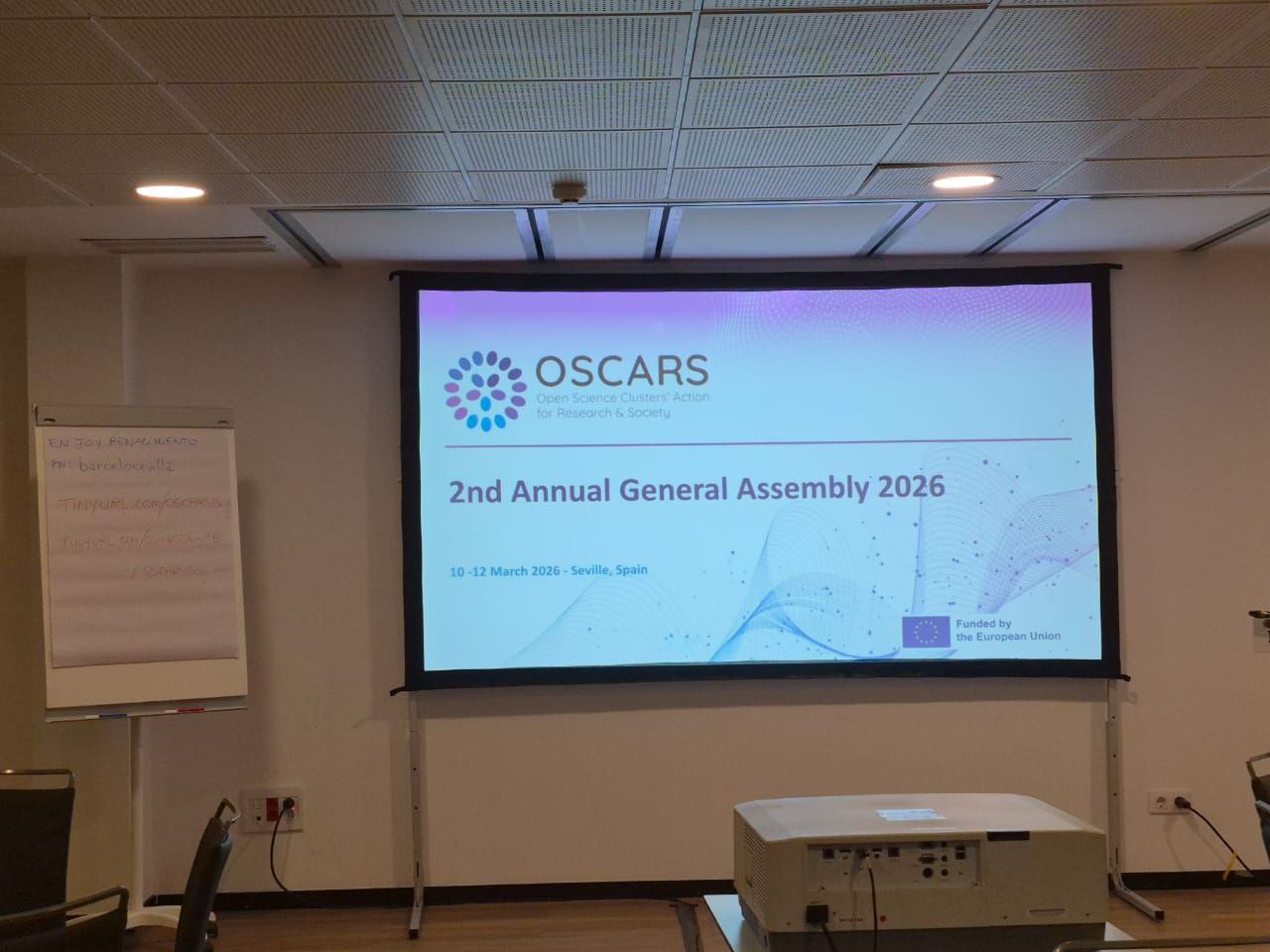
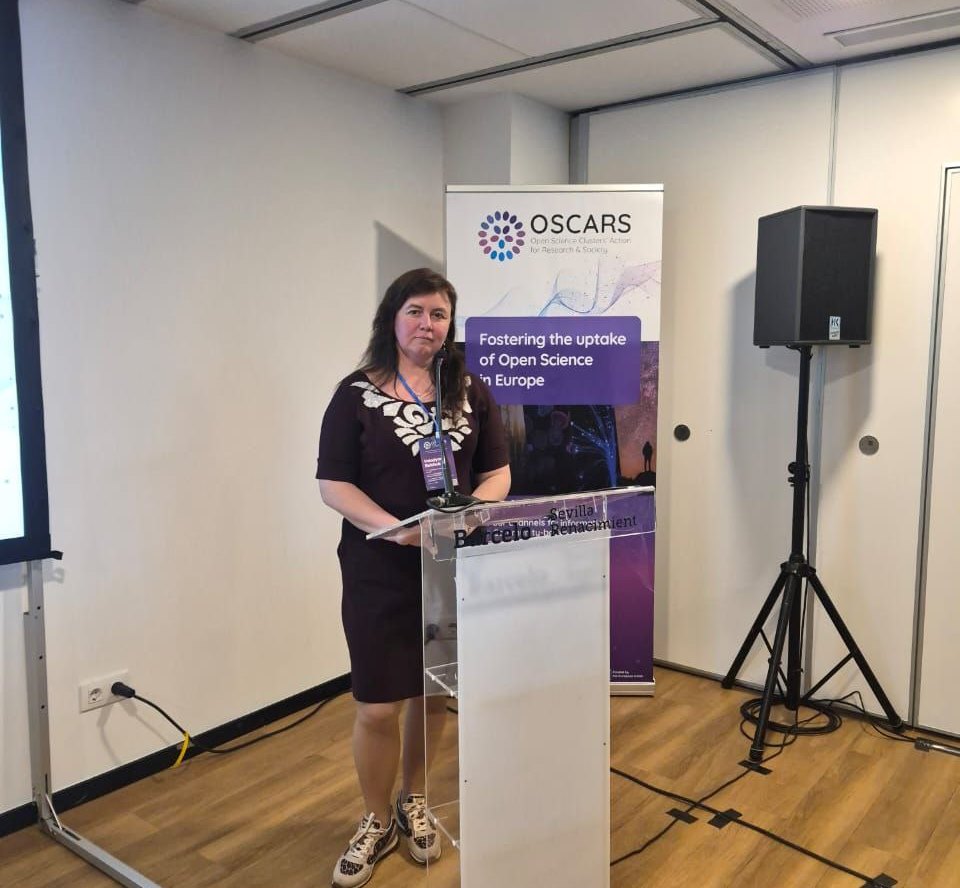
An important component of the stage was active international communication of the results. In particular, a member of the project team – Vice-Rector for Academic and Pedagogical Work and Socio-Economic Development, Professor of the Department of Applied Physics and Materials Science, Volodymyra Boychuk – presented the results of the project implementation during the 2nd OSCARS Annual General Meeting (March 10–12, 2026, Seville, Spain).
The presentation aroused considerable interest among participants and prompted numerous questions and substantive discussions. This confirmed the relevance of open science, the practical value of open methods and protocols, and the demand for the services created for the international research community.
The meeting also led to new professional contacts and negotiations, opening opportunities for the university to participate in future international initiatives and projects. The project will run until October 2026.
Ahead is the final stage, focused on scaling services and deepening the integration of university infrastructure with European research platforms.
The implementation of such projects is strategically important for Vasyl Stefanyk Carpathian National University, as it shapes its role as a regional scientific hub, expands Ukrainian researchers’ access to modern scientific infrastructure and data, and contributes to the implementation of FAIR and Open Access principles in the natural sciences.