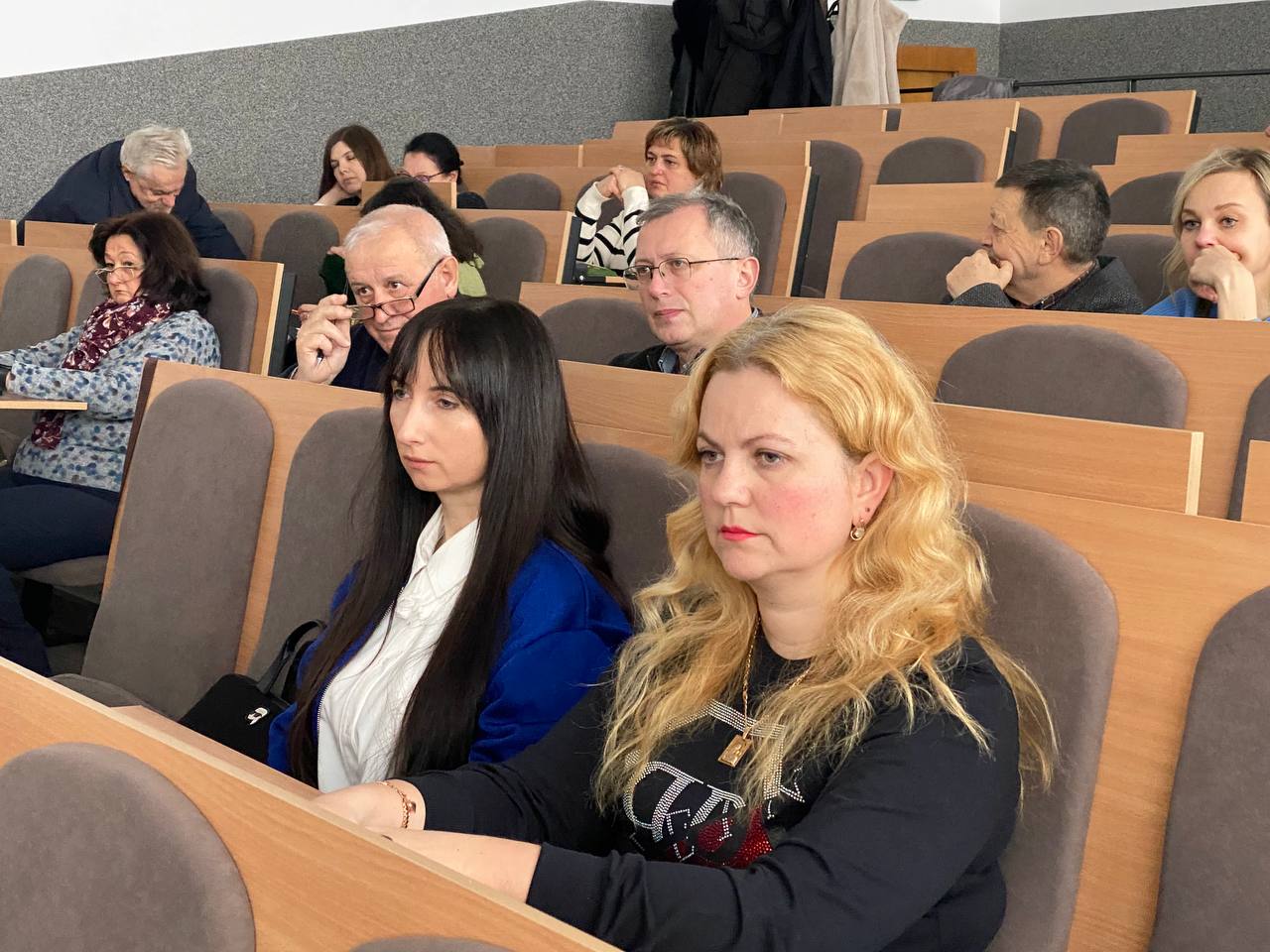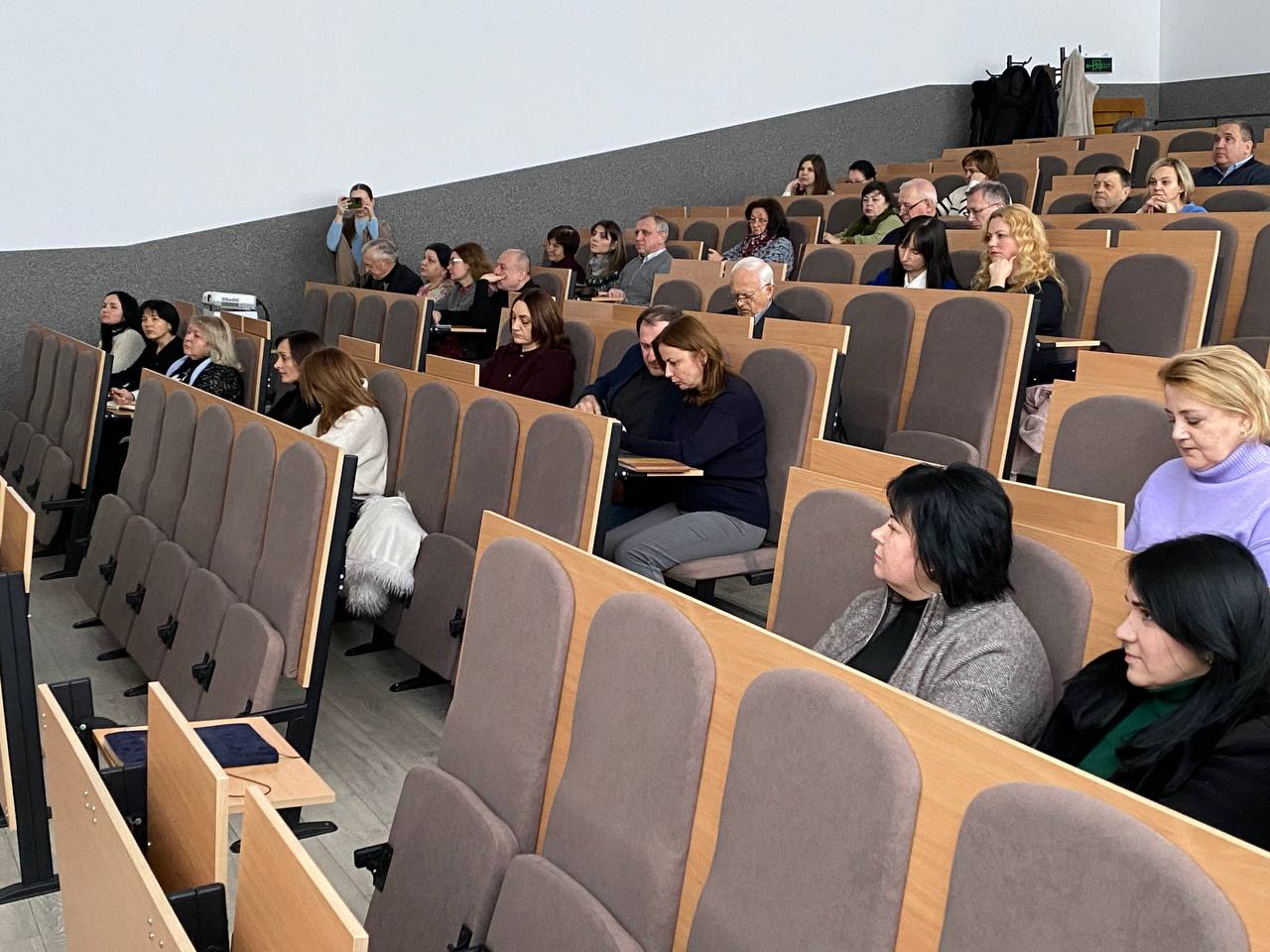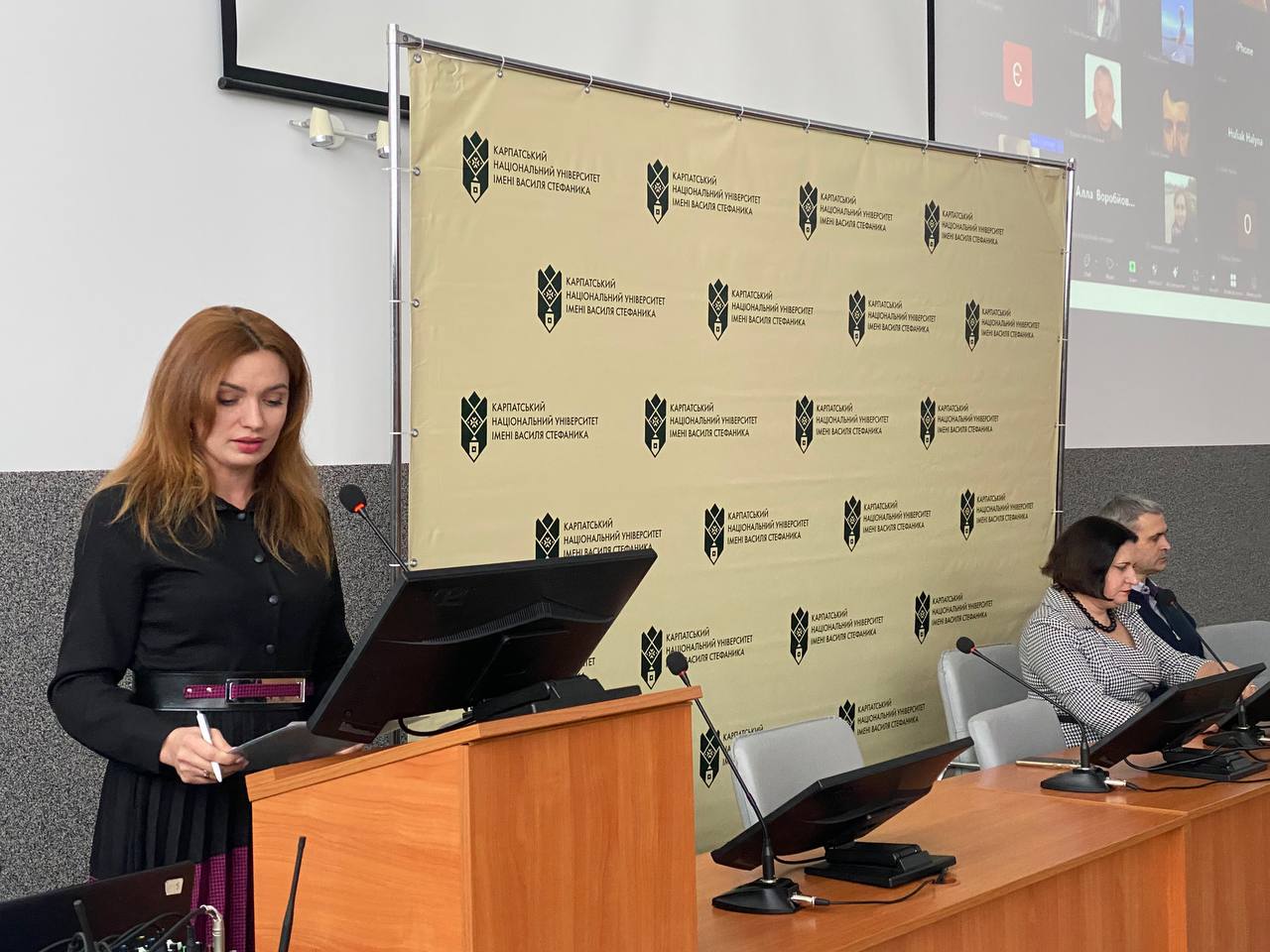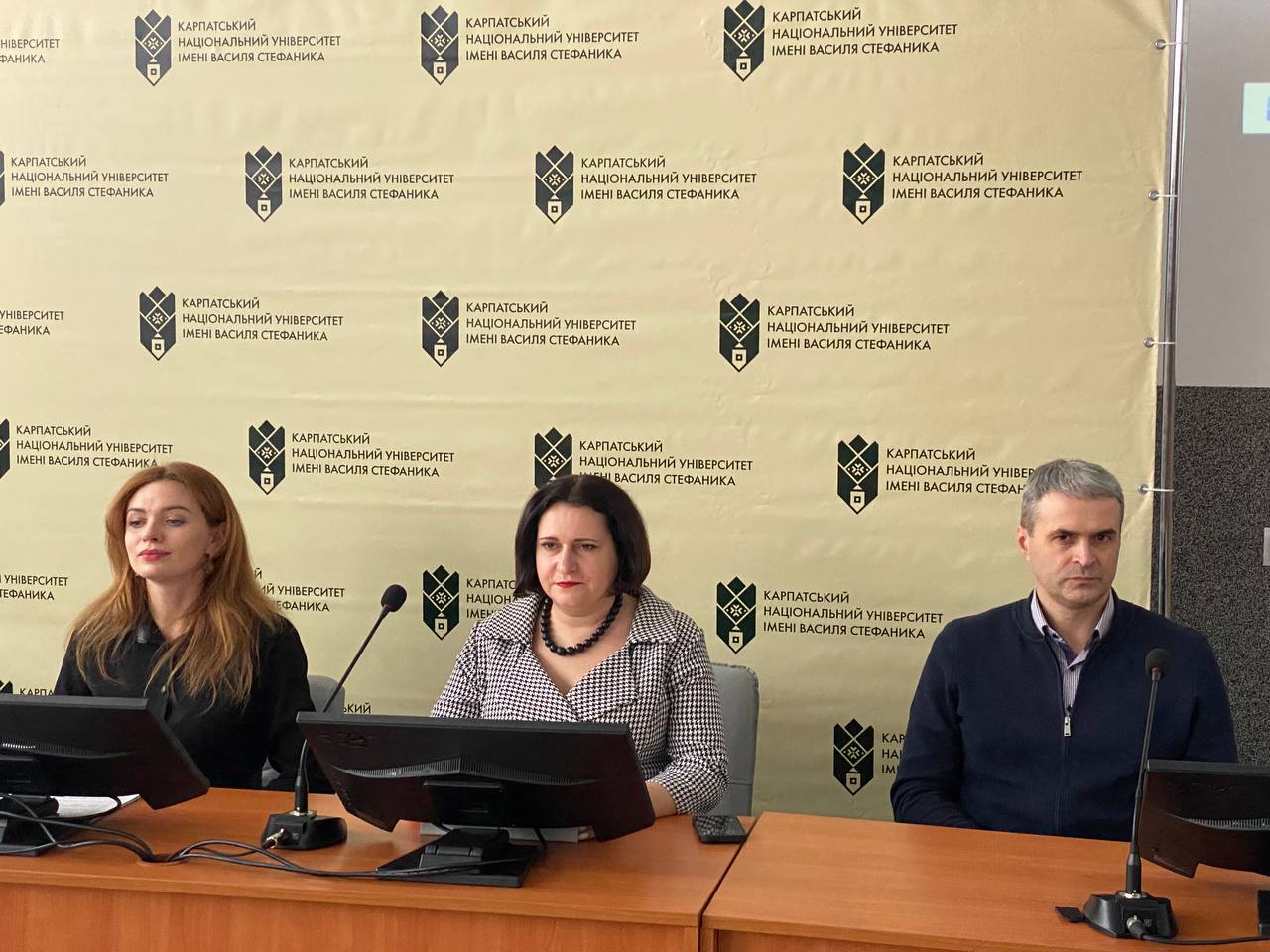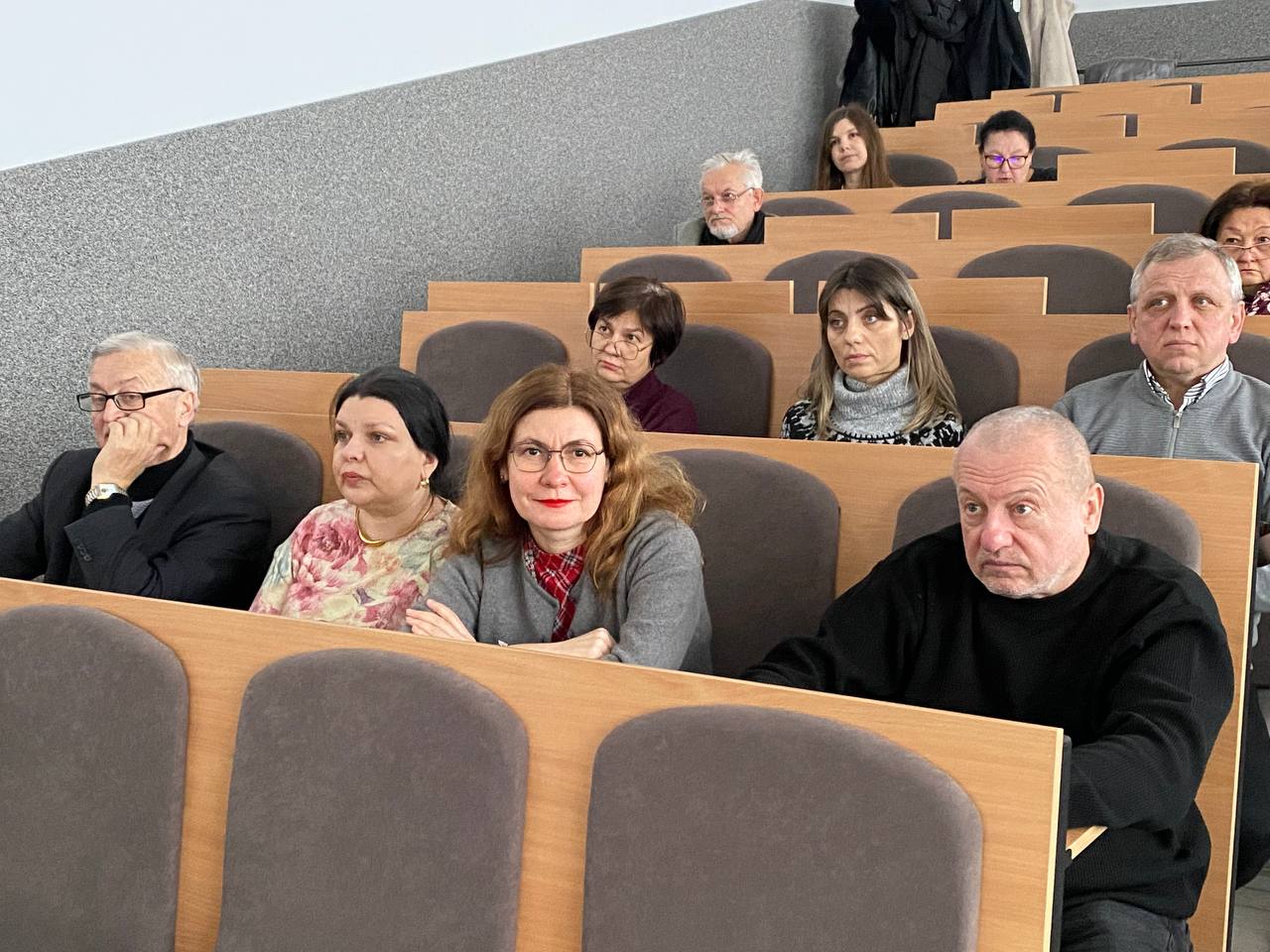
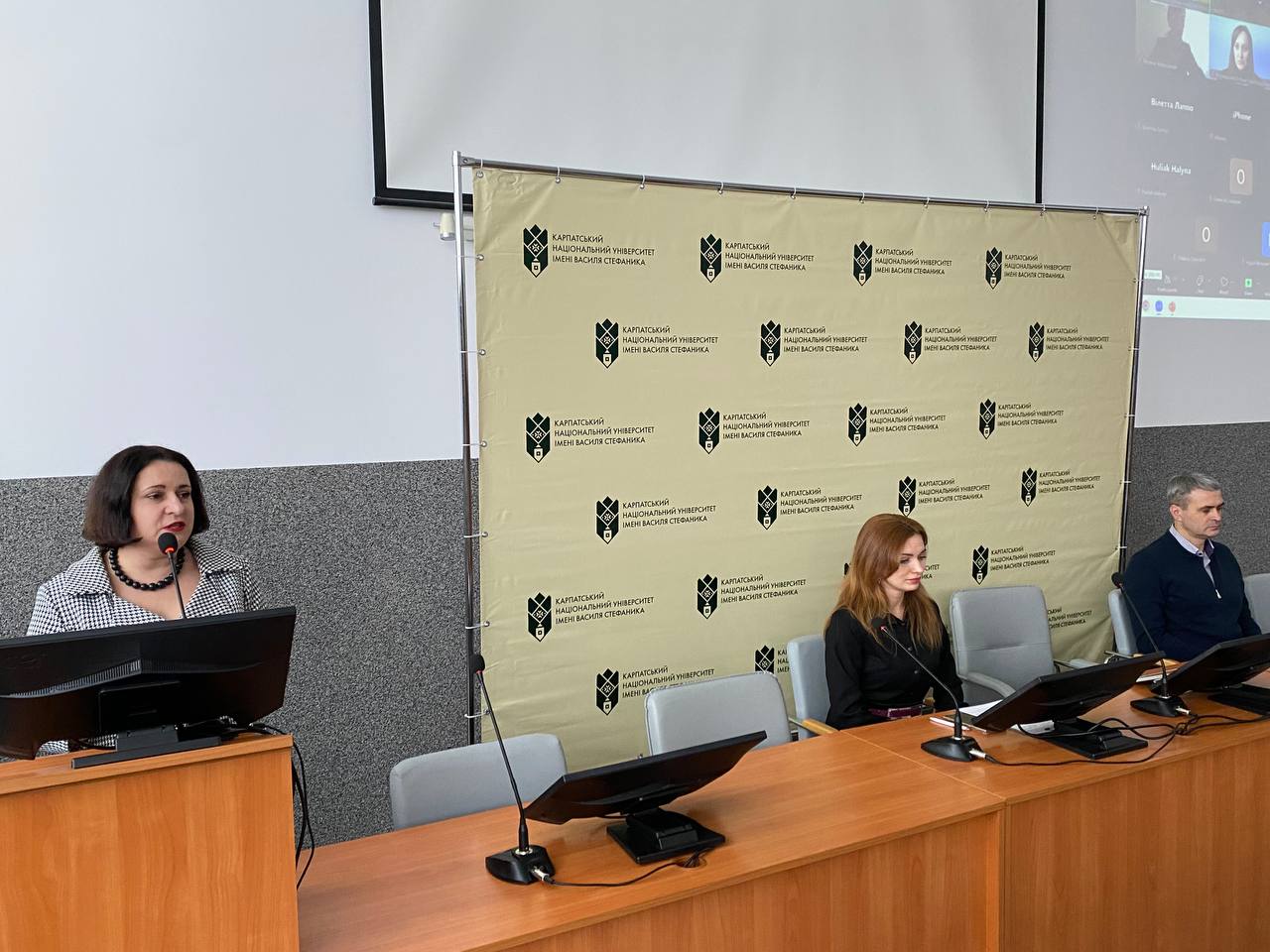
Today, January 20, an educational and methodological training on the topic “Typical errors and ways to eliminate shortcomings in conducting accreditation examinations of educational programs “Secondary Education” (by subject specialities)” was held at the Vasyl Stefanyk Carpathian National University.
The event was organised by Vasyl Stefanyk Carpathian National University, Kherson State University, and the National Agency for Quality Assurance in Higher Education (NAQAHE).
The rector of the Vasyl Stefanyk Carpathian National University, Valentyna Yakubiv, welcomed the participants and highlighted the strategic importance of the high-quality design and implementation of educational programs, their alignment with the modern challenges of pedagogical education and the requirements of accreditation procedures. She emphasised that professional analysis of typical mistakes and the exchange of experience are key to successful accreditation and increased competitiveness of educational programs.
The training covered in detail the key focuses of the accreditation examination of educational programs in the specialty “Secondary Education”, in particular: the profile of the academic program and its compliance with higher education standards; the purpose of the educational program, its consistency with the mission of the higher education institution and the needs of stakeholders; competencies and program learning outcomes, their logical interrelationship and measurability; the list of educational components, their structural integrity, consistency and compliance with the declared learning outcomes; certification of higher education applicants, in particular the forms of final control and assessment criteria.
Special attention was paid to the analysis of typical errors in the preparation of educational programs and self-assessment, as well as to practical recommendations for eliminating identified shortcomings, taking into account the current requirements of the National Agency for Higher Education and Higher Education, as well as the principles of the internal system of quality assurance of higher education.
The final part of the event was a question-and-answer session, during which participants had the opportunity to receive professional explanations of problematic aspects of accreditation, share their own experiences, and discuss practical situations that arise in the development and implementation of educational programs.
The training was attended by scientific and pedagogical workers, guarantors of educational programs, representatives of administrations of higher education institutions, and everyone interested in improving the quality of academic programs and preparing for accreditation procedures.